
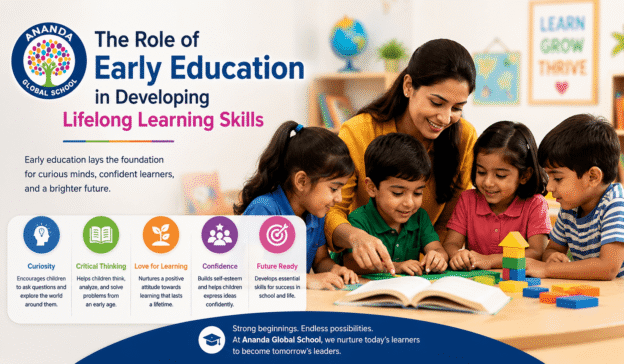
Early education serves as the foundation upon which future learning and personal development are built. The experiences children gain during their formative years significantly influence their attitudes toward learning, problem-solving abilities, and social interactions. A strong educational beginning helps young learners develop curiosity, confidence, and adaptability, which are essential for lifelong success. Many parents searching for a CBSE Board School In Ahmedabad recognize the importance of providing children with an environment that nurtures both academic growth and essential life skills from an early age.
Why Early Education Matters
The early years of childhood are characterized by rapid cognitive, emotional, and social development. During this period, children absorb information quickly and form habits that can influence their future educational experiences.
Early education helps children:
- Develop communication skills
- Build confidence and independence
- Strengthen social interactions
- Improve concentration and focus
- Foster curiosity about the world around them
When children are exposed to positive learning experiences early in life, they become more receptive to new ideas and challenges, creating a strong foundation for lifelong learning.
Building Essential Learning Habits
A quality CBSE School Ahmedabad often focuses on helping children develop habits that support long-term academic and personal growth. Early educational experiences teach children how to engage with learning in structured and meaningful ways.
Important habits developed during early education include:
- Active participation in learning activities
- Consistent problem-solving practices
- Effective communication and listening
- Time management and responsibility
- Adaptability to new situations
These habits encourage children to become self-motivated learners who are prepared to take ownership of their educational journey as they grow older.
Developing Cognitive and Social Skills
Lifelong learning depends on a combination of intellectual and interpersonal abilities. Early education programs are designed to support both aspects of development through interactive and engaging learning experiences.
Key Skills Developed Through Early Education
| Skill Area | Long-Term Benefit |
| Critical Thinking | Better decision-making abilities |
| Communication | Improved expression and understanding |
| Creativity | Enhanced innovation and problem-solving |
| Social Skills | Stronger relationships and teamwork |
| Emotional Awareness | Better self-regulation and resilience |
These foundational skills help children approach future learning opportunities with confidence and adaptability.
Encouraging Curiosity and Independent Thinking
Curiosity is one of the most powerful drivers of lifelong learning. Educational environments that encourage exploration and discovery help children develop a genuine interest in acquiring knowledge. Many CBSE Schools In Ahmedabad recognize the value of creating opportunities for inquiry-based learning and independent thinking.
Strategies that support curiosity include:
- Hands-on learning activities
- Open-ended discussions
- Creative projects
- Interactive classroom experiences
- Exploration of real-world concepts
By encouraging children to ask questions and seek solutions, educators help them become active participants in the learning process rather than passive recipients of information.
Preparing Students for a Changing Future
The modern world is evolving rapidly, requiring individuals to continuously learn and adapt throughout their lives. Early education plays a critical role in preparing students for this reality by helping them develop flexibility, resilience, and a growth-oriented mindset.
Children who establish strong learning skills early often demonstrate:
- Greater confidence in new situations
- Improved academic performance
- Better adaptability to change
- Enhanced problem-solving abilities
- Stronger motivation to learn
These qualities allow students to navigate future educational, professional, and personal challenges more effectively.
Frequently Asked Questions
1. Why is early education important for lifelong learning?
Early education helps children develop foundational skills, positive learning habits, and confidence that support continuous growth throughout life.
2. What skills are developed during early education?
Children develop communication, critical thinking, creativity, social interaction, emotional awareness, and problem-solving skills.
3. How does early education encourage curiosity?
It provides opportunities for exploration, questioning, hands-on learning, and creative activities that stimulate interest and engagement.
4. Can early education influence future academic success?
Yes. Strong foundational skills and positive learning habits often contribute to improved academic performance and long-term educational achievement.
5. How does early education prepare children for future challenges?
It helps them become adaptable, resilient, confident, and capable of learning new skills throughout different stages of life.
Conclusion
Early education plays a vital role in developing the skills and habits necessary for lifelong learning. By nurturing curiosity, communication abilities, critical thinking, and adaptability, educational institutions help children build a strong foundation for future success. Schools recognized as the Best CBSE School in Ahmedabad Gujarat often emphasize the importance of creating engaging learning environments that support holistic development. Institutions such as Ananda School reflect the growing focus on empowering students with the knowledge, confidence, and learning mindset needed to thrive in an ever-changing world.
