Category Archives: Blog

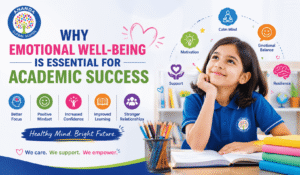
Why Emotional Well-Being Is Essential for Academic Success

Preschool in Satellite

Academic achievement is often associated with intelligence, study habits, and access to quality education. However, one equally important factor that significantly influences learning outcomes is emotional well-being. Children who feel safe, supported, and emotionally secure are more likely to engage actively in learning, build healthy relationships, and develop confidence in their abilities. Educational environments, including a Preschool in Satellite, increasingly recognize that emotional development and academic success are closely connected. By nurturing emotional well-being from an early age, schools can help students build a strong foundation for lifelong learning and personal growth.

Understanding the Link Between Emotions and Learning

Emotions play a critical role in how children process information, solve problems, and interact with others. Positive emotional experiences create an environment where students feel comfortable exploring new ideas and taking on challenges.

When emotional well-being is prioritized, children are more likely to:

  • Maintain focus and concentration
  • Participate actively in classroom activities
  • Develop positive learning habits
  • Build confidence in their abilities
  • Demonstrate resilience during challenges

A supportive educational environment helps students approach learning with curiosity and enthusiasm rather than anxiety or fear.

Creating Supportive Learning Environments

Many educators in Top Schools In Ahmedabad understand that students perform better academically when they feel emotionally supported. Schools that foster positive relationships between teachers, students, and peers contribute to stronger engagement and better educational outcomes.

Key elements of a supportive learning environment include:

  • Respectful communication
  • Encouragement and positive reinforcement
  • Opportunities for self-expression
  • Inclusive classroom practices
  • Strong teacher-student relationships

These factors help students develop a sense of belonging, which is essential for both emotional stability and academic motivation.

The Impact of Emotional Well-Being on Academic Performance

Children who experience emotional balance often demonstrate stronger learning capabilities. They are better equipped to manage classroom responsibilities, handle setbacks, and maintain motivation over time.

How Emotional Well-Being Supports Learning

Area Academic Benefit
Self-Confidence Greater participation in learning activities
Emotional Regulation Improved focus and concentration
Social Skills Better collaboration and teamwork
Resilience Stronger ability to overcome challenges
Positive Mindset Increased motivation to learn

When students feel emotionally secure, they are more likely to embrace new learning experiences and achieve their academic potential.

Building Emotional Skills During Early Childhood

Early childhood is a crucial period for emotional development. Educational settings such as a Preschool In Satellite Ahmedabad provide opportunities for children to learn how to recognize, express, and manage emotions effectively.

Important emotional skills developed during early education include:

  • Self-awareness
  • Empathy and understanding
  • Communication skills
  • Conflict resolution
  • Emotional regulation

These abilities help children navigate social situations, build meaningful relationships, and develop confidence in themselves. Strong emotional skills also contribute to better classroom behavior and greater readiness for future academic challenges.

The Role of Families and Educators

Supporting emotional well-being requires collaboration between families and educators. Children benefit when adults provide consistent guidance, encouragement, and opportunities to discuss their feelings openly.

Effective strategies include:

  • Encouraging open communication
  • Celebrating achievements and effort
  • Teaching problem-solving skills
  • Promoting healthy social interactions
  • Creating predictable routines

When children receive emotional support both at home and in educational environments, they are more likely to develop resilience and a positive attitude toward learning.

Lear More

A child’s education extends beyond academics. Read our guide, How Child-Centred Learning Encourages Holistic Development, to explore how personalized teaching methods, play-based learning, and nurturing classroom experiences help children develop cognitive, emotional, social, and creative skills. The article explains how a child-centred approach builds confidence, independence, and a lifelong love for learning while preparing young learners for future academic and personal success.

Conclusion

Emotional well-being is a vital component of academic success because it influences how children learn, interact, and respond to challenges. By fostering confidence, resilience, and positive relationships, educational institutions can help students achieve both personal and academic growth. Families searching for the Best Preschool in Ahmedabad Satellite often value environments that prioritize emotional development alongside academic learning. Schools such as Ananda School reflect the importance of nurturing emotional well-being to help children build the skills, mindset, and confidence needed for lifelong success.


Frequently Asked Questions

1. Why is emotional well-being important for academic success?

Emotional well-being helps children focus, build confidence, manage stress, and engage more effectively in learning activities.

2. How does emotional health affect classroom performance?

Students with strong emotional health often demonstrate better concentration, participation, problem-solving abilities, and motivation.

3. What emotional skills should children develop early?

Important skills include self-awareness, empathy, communication, emotional regulation, and conflict resolution.

4. How can schools support emotional well-being?

Schools can create supportive environments, encourage positive relationships, promote inclusion, and provide opportunities for emotional expression.

5. What role do parents play in emotional development?

Parents support emotional growth by maintaining open communication, offering encouragement, teaching coping skills, and creating a stable environment.


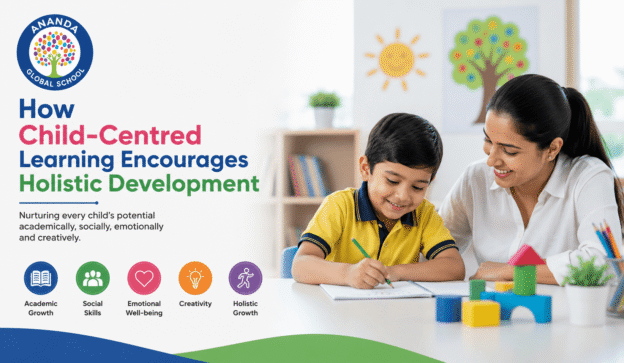
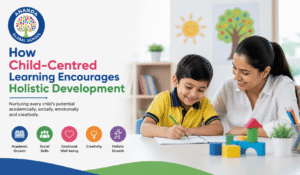
How Child-Centred Learning Encourages Holistic Development

Best Preschool In Ahmedabad


Best Preschool In Ahmedabad

Education in the early years plays a vital role in shaping a child’s future growth and success. Among the many educational approaches available today, child-centred learning has gained significant attention for its ability to nurture the overall development of young learners. Instead of focusing solely on academic instruction, this approach places the child at the center of the learning experience, encouraging exploration, creativity, and active participation. Parents searching for the Best Preschool In Ahmedabad often value educational environments that prioritize individual growth while fostering a lifelong love for learning.

Understanding Child-Centred Learning

Child-centred learning is an educational philosophy that recognizes each child as a unique individual with different interests, abilities, and learning styles. Rather than following a rigid teaching structure, educators create opportunities for children to explore concepts through meaningful experiences.

Key characteristics of this approach include:

  • Active participation in learning
  • Personalized educational experiences
  • Encouragement of curiosity and exploration
  • Support for independent thinking
  • Respect for individual learning pace

By allowing children to take an active role in their education, this approach helps them become more confident and engaged learners.

Building Strong Cognitive Foundations

Many educators at a Preschool in Vejalpur and similar early learning environments understand the importance of developing cognitive skills during the formative years. Child-centred learning encourages children to ask questions, investigate ideas, and solve problems independently.

Benefits for cognitive development include:

  • Improved critical thinking skills
  • Enhanced problem-solving abilities
  • Better concentration and focus
  • Increased creativity
  • Stronger decision-making capabilities

Through interactive activities and hands-on experiences, children learn how to process information effectively while developing confidence in their own abilities.

Supporting Social and Emotional Growth

Holistic development extends beyond academics. Social and emotional well-being plays an equally important role in preparing children for future success. Child-centred learning creates opportunities for children to interact with peers, express emotions, and develop meaningful relationships.

Areas of Development Supported by Child-Centred Learning

Development Area Benefit
Cognitive Growth Stronger thinking and reasoning skills
Emotional Development Improved self-awareness and confidence
Social Skills Better communication and cooperation
Creativity Enhanced imagination and innovation
Physical Development Improved coordination and motor skills

These areas work together to help children become well-rounded individuals capable of adapting to different situations and challenges.

Encouraging Creativity and Independent Exploration

Creativity is a crucial skill in today’s world. Child-centred learning encourages children to explore ideas freely, experiment with different approaches, and express themselves in unique ways. Many families looking for a Pre School In Ahmedabad appreciate programs that provide opportunities for creative development alongside foundational learning.

Examples of activities that support creativity include:

  • Art and craft projects
  • Storytelling and role play
  • Music and movement sessions
  • Building and construction activities
  • Nature-based exploration

These experiences allow children to discover their interests while developing confidence, imagination, and innovative thinking skills that benefit them throughout life.

Preparing Children for Lifelong Learning

One of the greatest advantages of child-centred learning is its ability to cultivate a lifelong passion for education. When children are encouraged to explore, question, and participate actively, they develop positive attitudes toward learning that extend beyond the classroom.

This approach helps children:

  • Become independent learners
  • Develop resilience and adaptability
  • Build self-confidence
  • Strengthen communication skills
  • Foster a growth mindset

By creating positive educational experiences early in life, child-centred learning prepares children to embrace future academic, social, and personal opportunities with enthusiasm and confidence.

Conclusion

Child-centred learning plays a significant role in encouraging holistic development by addressing every aspect of a child’s growth. Through personalized experiences, creative exploration, social interaction, and active engagement, children develop the skills and confidence needed for future success. Families seeking a Top Preschool in Ahmedabad often appreciate educational environments that nurture individuality while supporting comprehensive development. Institutions such as Ananda School reflect the growing importance of child-focused learning approaches that help young learners build a strong foundation for lifelong growth and achievement.

Frequently Asked Questions

1. What is child-centred learning?

Child-centred learning is an educational approach that focuses on the interests, abilities, and developmental needs of each child while encouraging active participation in learning.

2. How does child-centred learning support holistic development?

It promotes cognitive, social, emotional, physical, and creative growth through personalized and engaging learning experiences.

3. Why is creativity important in early education?

Creativity helps children develop problem-solving abilities, confidence, innovation, and independent thinking skills that support future success.

4. Does child-centred learning improve academic readiness?

Yes. It strengthens foundational skills such as communication, critical thinking, concentration, and problem-solving, which contribute to academic success.

5. How can parents support child-centred learning at home?

Parents can encourage exploration, provide opportunities for creative activities, ask open-ended questions, and support independent decision-making.

The Role of Early Education in Developing Lifelong Learning Skills

CBSE Board School In Ahmedabad

CBSE Board School In Ahmedabad

Early education serves as the foundation upon which future learning and personal development are built. The experiences children gain during their formative years significantly influence their attitudes toward learning, problem-solving abilities, and social interactions. A strong educational beginning helps young learners develop curiosity, confidence, and adaptability, which are essential for lifelong success. Many parents searching for a CBSE Board School In Ahmedabad recognize the importance of providing children with an environment that nurtures both academic growth and essential life skills from an early age.

Why Early Education Matters

The early years of childhood are characterized by rapid cognitive, emotional, and social development. During this period, children absorb information quickly and form habits that can influence their future educational experiences.

Early education helps children:

  • Develop communication skills
  • Build confidence and independence
  • Strengthen social interactions
  • Improve concentration and focus
  • Foster curiosity about the world around them

When children are exposed to positive learning experiences early in life, they become more receptive to new ideas and challenges, creating a strong foundation for lifelong learning.

Building Essential Learning Habits

A quality CBSE School Ahmedabad often focuses on helping children develop habits that support long-term academic and personal growth. Early educational experiences teach children how to engage with learning in structured and meaningful ways.

Important habits developed during early education include:

  • Active participation in learning activities
  • Consistent problem-solving practices
  • Effective communication and listening
  • Time management and responsibility
  • Adaptability to new situations

These habits encourage children to become self-motivated learners who are prepared to take ownership of their educational journey as they grow older.

Developing Cognitive and Social Skills

Lifelong learning depends on a combination of intellectual and interpersonal abilities. Early education programs are designed to support both aspects of development through interactive and engaging learning experiences.

Key Skills Developed Through Early Education

Skill Area Long-Term Benefit
Critical Thinking Better decision-making abilities
Communication Improved expression and understanding
Creativity Enhanced innovation and problem-solving
Social Skills Stronger relationships and teamwork
Emotional Awareness Better self-regulation and resilience

These foundational skills help children approach future learning opportunities with confidence and adaptability.

Encouraging Curiosity and Independent Thinking

Curiosity is one of the most powerful drivers of lifelong learning. Educational environments that encourage exploration and discovery help children develop a genuine interest in acquiring knowledge. Many CBSE Schools In Ahmedabad recognize the value of creating opportunities for inquiry-based learning and independent thinking.

Strategies that support curiosity include:

  • Hands-on learning activities
  • Open-ended discussions
  • Creative projects
  • Interactive classroom experiences
  • Exploration of real-world concepts

By encouraging children to ask questions and seek solutions, educators help them become active participants in the learning process rather than passive recipients of information.

Preparing Students for a Changing Future

The modern world is evolving rapidly, requiring individuals to continuously learn and adapt throughout their lives. Early education plays a critical role in preparing students for this reality by helping them develop flexibility, resilience, and a growth-oriented mindset.

Children who establish strong learning skills early often demonstrate:

  • Greater confidence in new situations
  • Improved academic performance
  • Better adaptability to change
  • Enhanced problem-solving abilities
  • Stronger motivation to learn

These qualities allow students to navigate future educational, professional, and personal challenges more effectively.

Frequently Asked Questions

1. Why is early education important for lifelong learning?

Early education helps children develop foundational skills, positive learning habits, and confidence that support continuous growth throughout life.

2. What skills are developed during early education?

Children develop communication, critical thinking, creativity, social interaction, emotional awareness, and problem-solving skills.

3. How does early education encourage curiosity?

It provides opportunities for exploration, questioning, hands-on learning, and creative activities that stimulate interest and engagement.

4. Can early education influence future academic success?

Yes. Strong foundational skills and positive learning habits often contribute to improved academic performance and long-term educational achievement.

5. How does early education prepare children for future challenges?

It helps them become adaptable, resilient, confident, and capable of learning new skills throughout different stages of life.

Conclusion

Early education plays a vital role in developing the skills and habits necessary for lifelong learning. By nurturing curiosity, communication abilities, critical thinking, and adaptability, educational institutions help children build a strong foundation for future success. Schools recognized as the Best CBSE School in Ahmedabad Gujarat often emphasize the importance of creating engaging learning environments that support holistic development. Institutions such as Ananda School reflect the growing focus on empowering students with the knowledge, confidence, and learning mindset needed to thrive in an ever-changing world.

Shaping Future-Ready Learners Through Modern Education


Top CBSE Schools In AhmedabadEducation plays a fundamental role in shaping a child’s academic growth, confidence, and overall personality development. Parents today look for learning environments that encourage creativity, discipline, communication, and critical thinking alongside academic excellence. Institutions recognized among the Top CBSE Schools In Ahmedabad are increasingly adopting balanced educational approaches that prepare students for both academic and real-world challenges.
Modern education systems focus not only on classroom instruction but also on emotional development, co-curricular participation, and skill-building opportunities. These elements collectively help students become adaptable, confident, and socially aware individuals.

Why Holistic Learning Is Important in Schools

Holistic learning emphasizes the development of intellectual, emotional, physical, and social skills together. This educational approach encourages students to become active learners while helping them develop confidence and problem-solving abilities.

Important elements of holistic learning include:

  • Academic understanding and conceptual clarity
  • Creative and artistic development
  • Sports and physical activities
  • Leadership and teamwork opportunities
  • Emotional and social skill enhancement

Parents evaluating Schools In Ahmedabad often prioritize institutions that support balanced growth through both academic and extracurricular activities.

Key Factors Parents Consider While Choosing a School

Selecting the right school is one of the most important decisions for families because educational environments significantly influence student development and future opportunities.

The table below highlights common factors considered during school selection:

Factor Importance
Academic Curriculum Supports structured learning development
Experienced Faculty Enhances teaching quality
Infrastructure Improves classroom and activity experiences/td>
Co-Curricular Activities Encourages balanced growth
Student Support Systems Promotes emotional and academic well-being

A strong educational environment helps students develop discipline, confidence, communication skills, and independent thinking abilities from an early stage.

The Role of Co-Curricular Activities in Student Development

Co-curricular activities are essential because they help students discover interests and develop skills beyond academics. Participation in extracurricular programs supports personal growth while improving social interaction and confidence.

Important benefits of co-curricular involvement include:

  • Improved communication abilities
  • Better teamwork and collaboration
  • Increased leadership skills
  • Enhanced creativity and innovation
  • Greater emotional confidence

Balanced educational systems encourage students to participate in various activities that support overall personality development and practical learning experiences.

Why Modern Learning Environments Matter

Educational methods continue evolving to meet changing academic and professional demands. Schools today increasingly focus on interactive learning approaches that encourage participation, analytical thinking, and creativity.

A well-structured School In Ahmedabad often integrates modern teaching methodologies, technology-assisted learning, and student-centered educational practices to improve classroom engagement and conceptual understanding.

Additional advantages of modern learning environments include:

  • Better student participation
  • Improved practical understanding
  • Increased analytical thinking abilities
  • Stronger communication skills
  • Enhanced adaptability to changing educational needs

Interactive learning systems help students become more confident while encouraging independent exploration and problem-solving.

Emerging Trends in School Education

Educational institutions are continuously adapting to modern expectations and technological advancements. Schools increasingly focus on preparing students for future opportunities through innovative teaching approaches and skill-based learning.

Some important trends shaping modern education include:

  • Activity-based and experiential learning
  • Greater emphasis on mental well-being
  • Focus on communication and leadership skills
  • Collaborative and project-based learning methods

These evolving educational approaches aim to support academic excellence while helping students develop adaptability, creativity, and social awareness.

Conclusion

Modern education continues to evolve with a growing focus on balanced learning, skill development, and future readiness. Schools today play a major role in shaping confident, capable, and socially aware individuals prepared for academic and professional success. The increasing attention given to selecting the Top Schools In Ahmedabad reflects the importance parents place on quality education and holistic development. Institutions like Ananda School contribute to this evolving educational landscape by supporting learning environments designed to nurture academic excellence, creativity, and personal growth.

Faqs


Parents should evaluate curriculum quality, teaching standards, infrastructure, co-curricular opportunities, and student support systems.

They improve communication, leadership, teamwork, creativity, and overall personality development.

Modern learning methods encourage engagement, analytical thinking, creativity, and practical understanding of concepts.


Building Strong Learning Foundations During Early Childhood


Best Preschool In Ahmedabad

Earlychildhood education plays a significant role in shaping a child’s emotional, social, and intellectual development. The preschool years help children build confidence, communication skills, creativity, and curiosity through structured yet engaging learning experiences. As parents increasingly recognize the value of early learning, many families seek the Best Preschool In Ahmedabad to provide children with a supportive and balanced educational environment.

Modern preschool education focuses on more than academic preparation. It encourages children to explore, interact, and develop essential life skills through activity-based learning methods designed to support holistic growth during formative years.

Why Preschool Education Matters for Young Learners

Preschool learning introduces children to structured educational settings where they begin developing social interaction, emotional understanding, and communication abilities. These early experiences often influence future learning habits and overall confidence.

Important benefits of preschool education include:

  • Development of communication and language skills
  • Improved social interaction with peers
  • Better emotional adaptability
  • Encouragement of creativity and curiosity
  • Introduction to structured learning environments

Parents exploring a Preschool in Jodhpur Ahmedabad often prioritize schools that provide balanced learning experiences focused on both academic and emotional development.

Key Factors Parents Consider While Choosing a Preschool

Selecting the right preschool is one of the most important decisions during a child’s early years. Parents usually evaluate multiple aspects before choosing an educational environment that aligns with their child’s needs.

The table below highlights common factors considered during preschool selection:

Table

A nurturing learning environment helps children adapt more comfortably while encouraging independent thinking and active classroom participation.

The Role of Interactive Learning in Child Development

Young children often learn more effectively through interaction, activities, and hands-on experiences. Interactive learning methods encourage curiosity while helping children develop practical understanding and communication abilities.

Important advantages of interactive learning include:

  1. Better concentration and engagement
  2. Improved creativity and imagination
  3. Enhanced communication skills
  4. Development of teamwork and cooperation
  5. Increased confidence in participation

Activity-based learning also helps children develop a positive attitude toward education by making classroom experiences enjoyable and meaningful.

Why Emotional Growth Is Essential in Preschool Education

Emotional development is a key component of early childhood education because it influences how children interact with others and adapt to structured environments. Preschools today increasingly focus on emotional well-being alongside intellectual growth.

A well-structured Preschool in Vejalpur often creates supportive learning spaces where children feel encouraged to communicate, participate, and explore confidently.

Additional benefits of emotionally supportive educational environments include:

  • Stronger peer relationships
  • Better classroom participation
  • Improved adaptability to routines
  • Increased self-confidence
  • Positive early learning experiences

Modern preschool systems recognize that emotional comfort and social development contribute significantly to long-term educational success.

Emerging Trends in Preschool Education

Preschool education continues evolving with changing educational expectations and parenting approaches. Schools are adopting modern teaching methods designed to improve engagement and overall child development.

Some important trends shaping preschool education include:

  • Experiential and activity-based learning
  • Creative storytelling and play-oriented teaching
  • Technology-assisted educational activities
  • Focus on communication development
  • Child-centered classroom environments

These evolving approaches help create meaningful learning experiences that support balanced intellectual, emotional, and creative growth for young children.

Conclusion

Early childhood education continues to play a crucial role in shaping confident, curious, and socially aware learners prepared for future academic growth. Preschools today focus on creating supportive and engaging learning environments that encourage creativity, communication, and emotional development through balanced educational practices. The increasing importance of selecting a quality Pre School In Ahmedabad Gujarat reflects the growing focus parents place on early learning experiences and holistic child development. Institutions like Ananda School contribute to this evolving educational landscape by supporting nurturing and structured environments designed for meaningful early childhood learning.

FAQs

Parents should evaluate safety, teaching methods, faculty experience, classroom environment, and emotional support systems.

Interactive learning improves participation, creativity, communication, and practical understanding through engaging activities.

Emotional development helps children build confidence, social comfort, and adaptability in structured learning environments.

Nurturing Curiosity and Confidence During Early Learning Years

Pre School In Ahmedabad


Pre School In Ahmedabad

The foundation years of education play a vital role in shaping a child’s personality, communication style, and learning habits. During this stage, children absorb experiences rapidly and begin building social, emotional, and cognitive skills that support their long-term growth. Choosing the right learning environment becomes essential for helping young learners feel secure, inspired, and encouraged every day. Parents searching for a Pre School In Ahmedabad often look for a balanced approach that combines structured learning with creativity and emotional development.

Why Early Childhood Education Matters

The preschool years introduce children to routines, teamwork, and guided learning in a comfortable environment. These experiences prepare them for formal schooling while helping them develop confidence and independence.

Key benefits of early childhood education include:

  • Improved communication and language skills
  • Better emotional understanding and social interaction
  • Development of problem-solving abilities
  • Exposure to creative activities and exploration
  • Increased adaptability to classroom settings

Children also learn essential life skills such as patience, cooperation, and self-expression. These qualities help them build stronger relationships and become more confident learners over time.

Creating a Positive Learning Environment

A nurturing environment encourages children to participate actively and enjoy learning. Parents searching for a Preschool in Vejalpur often prioritize safety, emotional support, and engaging classroom experiences when selecting an educational space.

An effective preschool environment usually includes:

Element Importance
Interactive Activities Encourages curiosity and participation
Safe Infrastructure Helps children feel secure and comfortable
Creative Learning Tools/td> Supports imagination and innovation/td>
Qualified Educators Guides emotional and academic growth
Group Engagement Builds teamwork and communication


A positive atmosphere allows children to express themselves freely while learning through play, storytelling, music, and hands-on activities.

The Role of Play in Child Development

Play-based learning remains one of the most effective teaching methods during the early years. Children naturally learn through observation, exploration, and interaction. Activities designed around play improve attention span and strengthen memory retention.

Common play-based learning activities include:

  • Puzzle solving
  • Art and craft sessions
  • Outdoor games
  • Storytelling circles
  • Rhythm and music activities

These experiences help children improve coordination, listening skills, and creativity. They also encourage independent thinking while reducing pressure during the learning process.

Play-based learning supports both academic readiness and emotional wellbeing. Children become more comfortable asking questions, participating in discussions, and trying new activities.

Building Social and Emotional Skills

Early education is not only about academics. It is equally important for children to understand emotions, build friendships, and develop empathy. Families exploring Pre-Schools in Jodhpur Char Rasta often seek institutions that focus on emotional growth alongside structured learning.

Social interaction in preschool helps children learn:

  • Sharing and cooperation
  • Respect for others
  • Conflict resolution
  • Listening and communication
  • Confidence in group settings

Teachers also play a key role in guiding children through emotional experiences and helping them express feelings appropriately. Encouraging positive reinforcement and supportive communication creates a healthy learning atmosphere.

These social skills later contribute to stronger classroom participation and improved interpersonal relationships throughout school life.

Preparing Children for Future Learning

Preschool education creates the foundation for future academic success. Children gradually develop discipline, concentration, and learning habits that support their transition into primary school.

Important areas of school readiness include:

  • Basic literacy and numeracy exposure
  • Listening and comprehension abilities
  • Fine motor skill development
  • Routine management
  • Independent task completion

When children become familiar with classroom routines early, they adapt more easily to structured academic settings later on. This preparation reduces anxiety and encourages a smoother educational journey.

Parents can also support learning at home through simple activities such as reading stories, encouraging conversations, and participating in creative games together.

Conclusion

Early childhood education creates a strong foundation for lifelong learning and emotional growth. A supportive environment helps children develop curiosity, independence, and communication skills while preparing them for future academic experiences. Parents searching for a reliable Preschool in Jodhpur Ahmedabad often value balanced learning methods that encourage creativity, confidence, and social development. Ananda School represents the importance of nurturing young minds through engaging and thoughtful early education experiences.

A Practical Guide to Choosing the Right CBSE School


Top CBSE Schools In Ahmedabad

Choosing the right school is a major step in shaping a child’s future. Parents today are more aware and actively research options before making a decision. Many begin by exploring Top CBSE Schools In Ahmedabad to find institutions that offer strong academics along with overall personality development.

Ahmedabad is home to several reputed CBSE schools that focus on modern teaching methods, structured curriculum, and holistic growth. These schools aim to prepare students not just for exams but for real world challenges.

Why CBSE Education Stands Out

The CBSE curriculum is one of the most preferred in India due to its focus on conceptual understanding and practical knowledge. It encourages students to think critically rather than rely on memorization.

A well established School In Ahmedabad following CBSE guidelines often ensures a balanced approach that includes academics, sports, arts, and life skills. This helps students develop confidence and adaptability from an early age.

CBSE also aligns with national level entrance exams, making it easier for students to prepare for future academic goals.

Exploring School Options Effectively

Before finalizing a school, parents usually go through a List Of CBSE Schools In Ahmedabad to compare different institutions. This step is important because each school offers unique strengths in terms of infrastructure, faculty, and extracurricular programs.

Here are some important factors to evaluate:

  • Academic performance and results
  • Teacher experience and qualifications
  • nfrastructure and facilities
  • Student teacher ratio
  • Extracurricular opportunities
  • Safety and security measures

Research shows that many CBSE schools in Ahmedabad provide modern facilities such as smart classrooms, STEM labs, and activity based learning environments.

Key Features of a Good CBSE School

A quality CBSE school focuses on more than just textbooks. It creates an environment where students are encouraged to explore, question, and learn through experience.

Below is a simple comparison table of essential features:

Feature Benefit for Students
Smart Classrooms Interactive and engaging learning
Experienced Faculty Better understanding of concepts
Activity Based Learning/td> Improves creativity
Sports Facilities Physical and mental development
Skill Labs Practical knowledge and application

Recent educational developments also emphasize skill based learning, making schools integrate hands on experiences into their curriculum.

Academic Excellence and Holistic Growth

Parents often search for the Best CBSE Schools In Ahmedabad because they want a balance between academic excellence and personal growth. The best institutions ensure that students are not only academically strong but also confident and socially aware.

These schools typically focus on:

  • Project based learning
  • Communication and leadership skills
  • Cultural and creative activities
  • Emotional and social development
  • Continuous assessment and feedback

Such an approach helps students build strong foundations and prepares them for future challenges.

How to Make the Right Decision

Selecting the right school involves careful consideration and planning. Parents should visit campuses, interact with teachers, and understand the school environment before making a final choice.

Here is a quick checklist to simplify the decision:

  • Visit the school campus
  • Understand teaching methods
  • Check student engagement activities
  • Review safety protocols
  • Compare multiple options

Taking these steps ensures that the chosen school aligns with both the child’s needs and the parents’ expectations.

Conclusion

Choosing the right school is a long term investment in a child’s future. A well balanced institution provides academic strength, skill development, and a supportive environment that encourages growth.Ananda School focuses on delivering quality education through modern teaching methods, experienced faculty, and a strong emphasis on holistic development, making it a reliable choice for parents seeking a nurturing learning environment.


A Complete Guide to Choosing the Right Preschool in Ahmedabad

Preschool in Jodhpur Ahmedabad

Early childhood education plays a crucial role in shaping a child’s personality, confidence, and learning abilities. The first step into formal education begins with preschool, where children develop social, emotional, and cognitive skills. Many parents begin their search with Preschool in Jodhpur Ahmedabad to find a nurturing environment close to home that ensures both comfort and quality learning.

Ahmedabad offers a wide range of preschool options, especially in areas like Jodhpur and Vejalpur, where families prioritize structured early education and safe learning spaces.

Why Preschool Education Matters

Preschool is more than just playtime. It is a foundation stage where children begin to explore the world beyond their homes. At this stage, learning is designed to be engaging, interactive, and fun.

A well structured Pre School In Ahmedabad focuses on:

  • Building communication skills
  • Encouraging curiosity and creativity
  • Developing motor and cognitive skills
  • Promoting social interaction
  • Establishing basic discipline and routines

Children between the ages of 2 to 5 experience rapid development, making preschool education essential for long term academic success.

Popular Preschool Options in Key Areas

Locations like Jodhpur and Vejalpur are known for offering quality early education options. Parents often explore preschool in Vejalpur because of the growing number of institutions that focus on holistic development and modern teaching methods.

These areas provide diverse preschool formats such as:

  • Play based learning schools
  • Montessori method institutions
  • Activity based learning environments
  • Integrated curriculum programs

The rise in preschool options is driven by increasing awareness among parents about early childhood education and its long term benefits.

Key Features to Look for in a Preschool

Choosing the right preschool involves evaluating several important factors. A good preschool should provide a safe, engaging, and supportive environment for children.

Here is a quick checklist parents can use:

Feature Importance
Safety Measures Ensures child security and peace of mind
Teacher Qualification Supports effective learning
Curriculum Encourages overall development
Infrastructure Provides interactive learning spaces
Student Teacher Ratio Ensures personal attention

In addition, facilities such as CCTV monitoring, activity zones, and child friendly classrooms are becoming standard in many preschools today.

Teaching Methods That Make a Difference

Modern preschools focus on experiential learning rather than traditional teaching methods. The goal is to make learning enjoyable and meaningful.

Common teaching approaches include:

  • Play based learning that encourages imagination
  • Montessori techniques that promote independence
  • Activity driven lessons for better engagement
  • Storytelling and creative expression
  • Hands on experiences through games and projects

These methods help children develop confidence and a love for learning from an early age.

Benefits of Choosing the Right Preschool

Parents often search for the Best Preschool In Ahmedabad because the right environment can significantly influence a child’s growth. A well chosen preschool helps children transition smoothly into primary education.

Some major benefits include:

  • Improved communication and language skills
  • Better social interaction and teamwork
  • Enhanced emotional development
  • Strong foundation for academic learning
  • Increased independence and confidence

Preschools also maintain strong communication with parents, ensuring they stay involved in their child’s development journey.

Conclusion

Selecting the right preschool requires thoughtful consideration of environment, teaching approach, and overall development opportunities. A nurturing and well structured preschool lays the foundation for lifelong learning and confidence.

Ananda School provides a balanced early education experience with a focus on holistic development, safe infrastructure, and engaging learning methods, making it a trusted choice for parents seeking quality education for their young learners.


Preschool Readiness: Preparing Your Child for a Bright Academic Future


Pre School In Ahmedabad

Early childhood is a critical phase in a child’s development, laying the foundation for lifelong learning and success. Choosing the right learning environment and preparing your child emotionally, socially, and cognitively can make a significant difference. Many parents begin their search for a suitable Pre School In Ahmedabad while also focusing on how to make their child ready for this new journey. Preschool readiness is not just about academics; it’s about nurturing curiosity, independence, and confidence in a structured yet caring setting.

A child who is well-prepared for preschool tends to adapt more easily to routines, interact better with peers, and show enthusiasm toward learning activities. Parents play a vital role in this transition, helping children develop essential skills that support both classroom learning and personal growth.

Understanding Preschool Readiness

Preschool readiness involves a blend of emotional, social, physical, and basic cognitive skills. It doesn’t mean your child must already know how to read or write, but rather that they are comfortable with basic routines, can communicate their needs, and are open to engaging in group activities.

Children develop at different paces, so readiness may vary. However, certain indicators can help parents understand whether their child is prepared for the preschool environment. These include the ability to follow simple instructions, express basic needs, and interact with other children.

For families exploring options like a Preschool in Vejalpur or a Preschool in Jodhpur Ahmedabad, it becomes even more important to focus on readiness alongside selecting a nurturing environment. A supportive preschool combined with proper preparation at home creates a strong start for young learners.

Key Skills That Support Preschool Readiness

Developing essential life and learning skills at home can significantly ease the transition into preschool. Here are some important areas parents can focus on:

Social Skills: Encourage your child to share, take turns, and play cooperatively with others. Playdates and group activities can help build these skills naturally.
Communication Abilities: Help your child express their thoughts, feelings, and needs clearly. Simple conversations and storytelling can enhance vocabulary and confidence.

Basic Independence: Teach small self-help tasks like washing hands, eating independently, and organizing toys. These habits build confidence and responsibility.
Listening and Following Instructions: Practice simple instructions at home, such as “put your toys away” or “bring your shoes,” to build attention and comprehension.
Emotional Readiness: Prepare your child for short separations to reduce anxiety when starting preschool. Gradual exposure to new environments helps ease this transition.

Creating a Learning-Friendly Environment at Home

A stimulating home environment plays a vital role in preparing children for preschool. Simple activities like reading books, drawing, singing, and engaging in imaginative play can spark curiosity and creativity. Establishing a daily routine that includes playtime, meals, and rest also helps children adapt to structured schedules later.

Parents can introduce learning through everyday experiences. For example, counting objects during play, identifying colors, or talking about daily activities can enhance cognitive development without pressure. The goal is to make learning enjoyable rather than overwhelming.

Encouraging Curiosity and Exploration

Young children are naturally curious, and nurturing this curiosity is essential for their academic growth. Encourage your child to ask questions, explore their surroundings, and try new activities. Whether it’s building blocks, outdoor play, or simple science experiments, these experiences help develop problem-solving skills and critical thinking.

Avoid pushing children into formal academics too early. Instead, focus on experiential learning that aligns with their interests. A curious child is more likely to develop a love for learning, which becomes a strong advantage in later academic stages.

Building Confidence Through Positive Reinforcement

Confidence is a key component of preschool readiness. Children who feel secure and supported are more willing to participate in activities and interact with others. Praise your child’s efforts rather than just outcomes, and encourage them to try new things without fear of failure.

Simple actions like allowing your child to make small choices such as selecting their clothes or picking a book can boost their sense of independence and self-esteem. This confidence carries forward into the classroom, helping them engage more actively.

The Role of Parents in the Transition

Parents act as the first teachers and role models for their children. A positive attitude toward preschool can influence how a child perceives the experience. Talk about preschool in an exciting and reassuring way, highlighting fun activities, new friends, and engaging learning experiences.

It’s also helpful to visit the preschool beforehand, if possible, to familiarize your child with the environment. Meeting teachers and exploring classrooms can reduce anxiety and create a sense of comfort.

Consistency is equally important. Maintaining similar routines at home and in preschool helps children adjust more smoothly. For instance, consistent sleep schedules and meal times can support a stable daily rhythm.

Preparing for a Smooth First Day

The first day of preschool can be emotional for both parents and children. Preparing in advance can make this transition easier. Talk to your child about what to expect, pack their essentials together, and create a goodbye routine that is short and reassuring.

Avoid prolonged goodbyes, as they may increase anxiety. Instead, reassure your child that you will return and maintain a positive tone. Over time, most children adapt and begin to enjoy their new environment.

Conclusion

Preschool readiness is a gradual process that combines emotional preparation, skill development, and a supportive environment. By focusing on building independence, communication, and confidence, parents can help their children step into preschool with enthusiasm and ease. Whether you are considering different learning centers or exploring the Top best preschool in ahmedabad, the key lies in ensuring your child feels secure, curious, and ready to learn. A thoughtful approach to preparation not only supports a smooth transition but also sets the stage for a bright and successful academic future.

Top Factors to Consider When Enrolling Your Child in a CBSE School

Best cbse school in ahmedabad

Best cbse school in ahmedabad
Choosing the right school for your child is one of the most important decisions you will make as a parent. It lays the foundation for academic growth, personality development, and future success. With many options available today, selecting from various CBSE Schools In Ahmedabad can feel overwhelming. A thoughtful evaluation of key factors can help you make an informed and balanced decision that aligns with your child’s needs and long-term goals.

Key Considerations for Choosing the Right School

When evaluating institutions, it’s essential to look beyond surface-level features like infrastructure or popularity. A deeper understanding of the academic environment, teaching methods, and student support systems will help ensure your child receives a well-rounded education.

Academic Curriculum and Teaching Approach

One of the first aspects to review is the curriculum structure and how it is delivered. A strong academic framework should not only focus on theoretical knowledge but also encourage critical thinking, creativity, and problem-solving. Schools affiliated with a national curriculum often follow standardized guidelines, but teaching methodologies may differ. Look for institutions that emphasize experiential learning, interactive sessions, and continuous assessment rather than rote memorization.

Faculty Qualifications and Experience

Teachers play a crucial role in shaping a child’s educational journey. Qualified and experienced educators can significantly enhance learning outcomes. It is beneficial to choose a CBSE Board School In Ahmedabad that invests in regular teacher training, adopts modern pedagogical techniques, and maintains a low student-to-teacher ratio. This ensures personalized attention and better academic support.

Infrastructure and Learning Environment

A safe, well-equipped campus contributes to a productive learning experience. Modern classrooms, science laboratories, libraries, and digital learning tools can enrich a child’s academic exposure. However, infrastructure should support education rather than act as a distraction. A balanced environment that promotes both learning and comfort is ideal.

Extracurricular Activities and Holistic Development

Education extends beyond textbooks. Participation in sports, arts, music, and cultural events helps children develop confidence, teamwork, and leadership skills. When reviewing options, consider whether the school offers a diverse range of extracurricular programs. A well-rounded institution encourages students to explore their interests and talents alongside academics.

Location and Accessibility

Proximity to home is an often-overlooked but important factor. Long travel hours can lead to fatigue and reduced productivity. Selecting a school that is easily accessible ensures a better daily routine for both the child and parents. Safe transportation facilities and reliable routes are additional points to consider.

School Culture and Values

Every school has its own culture and philosophy. Some emphasize discipline and structure, while others focus on creativity and independence. Understanding the institution’s values will help determine whether it aligns with your parenting approach. A positive and inclusive environment fosters emotional well-being and social development.

Student Support and Counseling Services

Academic pressure and social challenges can affect a child’s mental health. Schools that provide counseling services, mentorship programs, and career guidance create a supportive atmosphere. Emotional well-being is just as important as academic success, making this a critical factor in your decision-making process.

Parental Involvement and Communication

Transparent communication between parents and school authorities is essential for a child’s progress. Institutions that encourage regular parent-teacher meetings, updates, and feedback systems help build trust and collaboration. This ensures that parents remain actively involved in their child’s educational journey.

Performance and Reputation

While rankings and results should not be the sole deciding factor, they can provide insight into a school’s academic consistency. Reviewing past performance, alumni success, and feedback from other parents can help you gain a realistic perspective. Referring to the List Of CBSE Schools In Ahmedabad can be a useful starting point for shortlisting options and comparing their overall track records.

Fee Structure and Value for Money</h3 >

Education is a long-term investment, so it’s important to evaluate whether the fees align with the facilities and quality of education provided. Higher fees do not always guarantee better outcomes. Look for transparency in fee structure and ensure there are no hidden costs.
Beyond these factors, it is important to involve your child in the decision-making process. Visiting shortlisted schools, interacting with teachers, and observing the campus environment can provide valuable insights. A child who feels comfortable and motivated in their learning space is more likely to thrive academically and socially.

Another important aspect to consider is adaptability. The world is changing rapidly, and educational institutions must keep pace with evolving trends. Schools that integrate technology, promote innovation, and encourage global awareness prepare students for future challenges. This forward-thinking approach can make a significant difference in your child’s readiness for higher education and career opportunities.

In conclusion, selecting the right institution requires careful research, patience, and clarity about your priorities. By evaluating academic standards, faculty, infrastructure, extracurricular opportunities, and student support systems, you can make a well-informed choice. While there are many options available, focusing on what truly matters for your child’s growth will guide you in the right direction. Ultimately, the goal is to find an environment that nurtures curiosity, builds confidence, and supports overall development, helping your child succeed in every aspect of life. Taking the time to assess these factors will bring you closer to identifying the Best CBSE school in Ahmedabad that meets your expectations without compromising on quality or values.