Category Archives: Latest News

How Preschools Spark Imagination in Young Learners

Preschool in Satellite

Imagination is the foundation of creativity, problem-solving, and emotional growth in early childhood. The environments where children spend their formative years play a powerful role in shaping how they think, explore, and express themselves. A thoughtfully designed learning space encourages curiosity through play, storytelling, and discovery. Parents exploring options such as a Preschool in Satellite often look for programs that balance structure with freedom, allowing young minds to experiment, ask questions, and build confidence through meaningful experiences.

Creative learning begins with an atmosphere that feels safe and welcoming. When children feel comfortable, they are more likely to take risks in their thinking whether that means inventing stories, building imaginative worlds, or expressing emotions through art. Teachers who encourage open-ended activities help children understand that there is no single “right” answer, which nurtures independent thought. Over time, this approach supports stronger communication skills and a lifelong love for learning.

The Role of Play-Based Learning in Building Creativity

Play is not simply a break from learning; it is one of the most effective ways young children make sense of the world. Through pretend play, sensory exploration, and collaborative games, children practice decision-making, empathy, and innovation. A quality pre-primary school in Ahmedabad typically integrates guided play into daily routines so that imagination becomes part of the learning process rather than an occasional activity.

Classrooms that include art corners, storytelling circles, and hands-on exploration zones inspire children to transform ideas into tangible creations. For example, building blocks can become castles, space stations, or entire cities depending on a child’s perspective. These experiences strengthen cognitive flexibility, teaching children how to adapt their thinking and approach challenges creatively.

A strong early learning program also focuses on social interaction. When children collaborate on projects, they learn to share ideas, negotiate roles, and appreciate different viewpoints. This collaborative creativity not only improves social skills but also builds resilience and confidence.

Key ways early learning environments encourage imagination include:

  • Providing open-ended materials such as blocks, clay, and art supplies
  • Encouraging storytelling through books, puppets, and role-play
  • Designing flexible spaces that support both group and independent activities
  • Integrating music and movement to stimulate sensory learning
  • Allowing time for exploration without strict outcomes
  • These strategies ensure that creativity becomes a natural part of daily routines rather than a structured lesson.

    Beyond classroom activities, educators play a crucial role in nurturing imaginative thinking. By asking open questions like “What do you think will happen next?” or “How else could we solve this?” teachers encourage children to think beyond the obvious. This approach develops critical thinking skills early, helping learners become more confident decision-makers as they grow.

    Another important factor is exposure to diverse experiences. Field trips, cultural celebrations, and interactive workshops broaden children’s perspectives and inspire new ideas. When young learners encounter different stories, traditions, and viewpoints, they develop empathy alongside creativity. A well-rounded satellite preschool program often incorporates such experiences to ensure children connect learning with the real world.

    Technology, when used thoughtfully, can also enhance imaginative learning. Interactive storytelling apps, digital drawing tools, and multimedia presentations can complement hands-on activities. However, the key is balance screen time should support creativity rather than replace physical exploration and social interaction.

    Parents also play a vital role in extending imaginative learning beyond the classroom. Simple activities at home such as reading together, encouraging pretend play, or exploring nature reinforce what children experience in school. When families and educators work together, children receive consistent encouragement to explore their creativity in multiple settings.

    Importantly, imaginative development supports emotional well-being. Creative expression allows children to process feelings, reduce anxiety, and build self-awareness. Activities like drawing or role-playing provide safe outlets for emotions, helping children develop healthy coping skills from an early age.

    As education continues to evolve, the focus on creativity is becoming even more essential. Future careers will require innovation, adaptability, and collaboration skills that begin developing in early childhood. Learning environments that prioritize imagination prepare children not only for academic success but also for life’s changing demands.

    In conclusion, early learning spaces that emphasize play, exploration, and supportive guidance create the ideal conditions for creativity to flourish. By nurturing curiosity and encouraging self-expression, these programs help children grow into confident thinkers and empathetic individuals. For families seeking a balanced and enriching start for their children, choosing the Best Preschool in Satellite, Ahmedabad can provide a strong foundation where imagination is valued as much as knowledge.

    What Makes a Preschool the Best Choice for Growing Minds

    Early childhood is a period of remarkable growth, where curiosity, emotion, and understanding develop at a pace unmatched in later years. The learning environment introduced during this stage shapes how children explore ideas, form relationships, and build confidence. For families seeking meaningful early education, identifying the Best Preschool In Ahmedabad often involves looking beyond appearances to understand how an environment nurtures thinking, creativity, and emotional security from the very beginning.

    Best Preschool In Ahmedabad

    A Learning Space Designed for Exploration

    Young children learn through movement, observation, and interaction. The most effective early learning environments are thoughtfully designed to encourage exploration rather than passive instruction.

    Open layouts, activity-based zones, and age-appropriate materials allow children to move freely between tasks. This freedom supports decision-making skills while maintaining a sense of structure that helps children feel secure.

    Emotional Safety as the Foundation of Learning

    A child’s willingness to engage depends heavily on emotional comfort. When children feel understood and supported, they are more likely to participate actively and express themselves without hesitation.

    Warm interactions, consistent routines, and attentive guidance create a sense of belonging. Emotional safety enables children to take small risks trying new activities, speaking up, or collaborating with peers which are essential for growth.

    Educators Who Understand Early Development

    The quality of early education is closely tied to the educators guiding it. Skilled early childhood facilitators understand developmental milestones and recognise that learning unfolds differently for every child.

    Rather than enforcing uniform outcomes, effective educators observe, adapt, and respond. Their role is to guide exploration, encourage communication, and gently support areas where a child may need additional reassurance or challenge.

    Learning Through Play and Purposeful Activity

    Play is not separate from learning; it is the medium through which young children understand the world. Purposeful activities transform play into a powerful developmental tool.

    Storytelling, role-play, art, music, and hands-on exploration build language, motor skills, and emotional awareness. These experiences lay the groundwork for later academic understanding without pressure or comparison.

    Encouraging Social Awareness and Interaction

    Early learning environments introduce children to group dynamics outside the home. Interaction with peers supports cooperation, empathy, and communication.
    Shared activities teach children how to listen, take turns, and resolve small disagreements. These social experiences help children understand perspectives beyond their own, strengthening emotional intelligence at an early age.

    Balanced Structure Without Rigidity

    Structure provides predictability, which is reassuring for young learners. Clear routines help children understand expectations and transitions throughout the day.

    At the same time, flexibility allows learning to unfold naturally. When activities adapt to children’s engagement levels, curiosity remains intact rather than constrained by strict schedules.

    Language Development and Expression

    Language skills develop rapidly during early childhood. Environments that prioritise conversation, storytelling, and expressive activities support strong communication foundations.

    Children learn new vocabulary, sentence structure, and listening skills through daily interaction. Encouraging expression builds confidence and supports cognitive development across all areas.

    Sensory Experiences That Support Cognitive Growth

    Sensory engagement plays a vital role in early learning. Touch, sound, movement, and visual exploration help children process information and build neural connections.

    Activities involving textures, rhythm, and movement support concentration and coordination while making learning enjoyable and memorable.

    Parental Partnership and Transparent Communication

    Effective early education extends beyond the classroom. Clear communication between educators and families ensures consistency and trust.
    Regular updates, shared observations, and open dialogue help families understand their child’s experiences and developmental progress. This partnership reinforces learning and emotional support across environments.

    Inclusivity and Respect for Individuality

    Every child brings a unique personality, background, and pace of development. Inclusive environments celebrate these differences rather than attempting to standardise outcomes.

    Respecting individuality encourages confidence and self-acceptance, helping children feel valued for who they are rather than how they compare to others.

    Preparing Children for the Next Learning Stage

    While early education is not about formal academics, it prepares children for future learning by developing focus, curiosity, and adaptability.

    Skills such as following instructions, engaging in group activities, and expressing needs support a smooth transition into structured education later on. In broader discussions around Pre School In Ahmedabad,Gujarat, this readiness is often seen as a key indicator of quality.

    The Role of Environment in Building Independence

    Well-designed early learning spaces encourage children to try tasks independently. Child-friendly furniture, accessible materials, and guided choice foster autonomy.

    Small achievements—putting away materials, choosing activities, completing simple tasks—build confidence and self-reliance naturally.

    Observing Progress Without Pressure

    Meaningful development is observed over time rather than measured against rigid benchmarks. Educators track progress through observation, noting social engagement, communication, and emotional growth.

    This approach reduces anxiety and supports learning as a positive experience rather than a competitive one.

    Health, Wellbeing, and Daily Care

    Attention to wellbeing underpins effective learning. Clean, safe environments, balanced routines, and adequate rest contribute to overall development.

    Physical comfort and emotional care ensure that children are ready to engage fully with daily activities.

    Building Curiosity That Lasts

    The goal of early education is not accelerated learning but sustained curiosity. When children associate learning with joy and discovery, they carry this mindset forward.

    This long-term perspective distinguishes environments that focus on growth rather than short-term outcomes.

    Community Reputation Built on Experience

    Reputation is shaped by lived experiences rather than claims. Families often rely on observed outcomes, word-of-mouth, and consistency when evaluating early learning options.

    Conversations around Pre-school in Ahmedabad frequently highlight how environments support confidence, communication, and emotional balance over time.

    Conclusion

    The best early learning environments recognise that growing minds need care, curiosity, and consistency in equal measure. By fostering emotional security, purposeful play, and respectful guidance, preschools create a foundation that supports lifelong learning. For families exploring Preschool in Jodhpur Ahmedabad, institutions that prioritise holistic development over comparison often stand out. Within this landscape, Ananda Global School reflects an approach centred on nurturing curiosity, confidence, and thoughtful growth during a child’s most formative years.

    The Role of CBSE Schools in Nurturing Well-Rounded Learners

    Education today is no longer confined to academic milestones alone. Families increasingly seek learning environments that shape confident individuals equipped with intellectual depth, emotional balance, and social awareness. Within this evolving landscape, the contribution of a CBSE School Ahmedabad is often viewed through its ability to balance structured learning with personal growth. The focus has shifted from producing high scorers to nurturing adaptable learners capable of navigating complex, real-world challenges.

    A Curriculum That Encourages Conceptual Thinking

    One of the defining strengths of the CBSE framework lies in its emphasis on conceptual clarity. Learners are encouraged to understand the “why” behind ideas rather than memorising information in isolation.

    This approach strengthens analytical thinking and enables students to apply knowledge across contexts. Over time, it builds confidence in problem-solving and prepares learners for higher academic demands.

    Academics Integrated With Skill Development

    Academic learning gains greater relevance when paired with practical skills. The CBSE structure integrates activities that promote communication, collaboration, and critical reasoning alongside subject instruction.

    Projects, presentations, and group discussions encourage learners to articulate ideas clearly and work effectively with peers. These experiences support intellectual growth while developing essential life skills.

    Creating Space for Creativity and Expression

    Well-rounded development requires creative outlets. Music, art, theatre, and creative writing provide platforms for self-expression and emotional exploration.

    Such activities help learners develop imagination and empathy, balancing academic rigour with emotional wellbeing. Creativity also enhances cognitive flexibility, an increasingly valuable skill in modern education.

    Emphasis on Physical and Mental Wellbeing

    Learning outcomes are closely linked to wellbeing. Physical activity, sports, and mindfulness practices contribute to balanced development by supporting health, focus, and resilience.

    Institutions recognised among CBSE Affiliated Schools In Ahmedabad often integrate structured physical education and wellness initiatives into daily routines, reinforcing the connection between body and mind.

    Values and Ethics as Educational Anchors

    Education plays a critical role in shaping character. Ethical awareness, responsibility, and empathy are essential qualities for meaningful participation in society.

    Value-based learning initiatives encourage learners to reflect on actions, respect diversity, and contribute positively to their communities. These principles form a moral foundation that supports long-term personal growth.

    Role of Educators as Mentors

    Teachers act not only as instructors but as mentors guiding learners through academic and personal development. Their approach influences confidence, curiosity, and discipline.

    Continuous professional development ensures educators remain aligned with modern pedagogical practices, fostering classrooms that are both structured and supportive.

    Assessment That Supports Growth, Not Pressure

    Evaluation methods within the CBSE framework have evolved to encourage reflection and improvement. Continuous assessment allows learners to identify strengths and address gaps without excessive pressure.

    This balanced approach nurtures a healthy attitude towards learning, where progress is valued over comparison.

    Exposure to Diverse Learning Opportunities

    Learners benefit from exposure to varied experiences beyond the classroom. Inter-school events, cultural exchanges, and collaborative projects broaden perspectives and build adaptability.

    Such opportunities are often a hallmark of CBSE Schools In Ahmedabad, where academic learning is complemented by experiential growth.

    Technology as a Learning Enabler

    Digital tools enhance engagement when used thoughtfully. Interactive platforms, research resources, and smart classrooms support personalised learning and digital literacy.

    Technology integration prepares learners for future academic and professional environments while maintaining alignment with pedagogical goals.

    Partnership Between Families and Institutions

    A supportive learning ecosystem extends beyond campus boundaries. Open communication between educators and families strengthens consistency and shared expectations.

    This partnership reinforces learning habits and emotional security, contributing to holistic development.

    How CBSE Schools Support Well-Rounded Growth

  • Concept-based academic learning
  • Integration of skills and creativity
  • Focus on physical and emotional wellbeing
  • Value-driven education and ethics
  • Supportive mentorship and balanced assessment
  • Conclusion: Educating for Life, Not Just Examinations

    Well-rounded education is defined by balance—between academics and creativity, discipline and empathy, structure and exploration. CBSE-aligned institutions play a vital role in cultivating learners who are not only knowledgeable but also adaptable and socially aware. For families seeking the Best CBSE School Ahmedabad, the emphasis increasingly lies on environments that prepare students for life beyond classrooms. Within this educational vision, Ananda Global School reflects the broader commitment to nurturing confident, capable, and well-rounded learners equipped for a dynamic future.

    Key Advantages of Studying in a CBSE School

    Choosing the right academic framework plays a defining role in shaping a learner’s intellectual depth, adaptability, and long-term confidence. Among nationally recognised education systems, the CBSE curriculum is widely valued for its structured learning approach, conceptual clarity, and alignment with future academic pathways. Families increasingly look beyond immediate academic results, focusing instead on environments that nurture reasoning ability, emotional awareness, and practical understanding. This perspective has driven interest in institutions following this curriculum, including well-established CBSE Schools In Ahmedabad known for offering balanced and future-oriented education.

    Curriculum Designed for Conceptual Strength

    The CBSE framework emphasises understanding over memorisation. Subjects are structured to help learners grasp foundational concepts before advancing to complex applications. This approach strengthens analytical thinking and allows students to connect ideas across disciplines, making learning more coherent and purposeful.

    By encouraging inquiry-based learning, the curriculum helps learners question, interpret, and apply information effectively. This method supports long-term academic confidence and reduces dependence on rote learning practices.

    National Consistency and Academic Mobility

    One of the defining strengths of the CBSE system is uniformity across regions. Students relocating between cities or states encounter minimal disruption, as syllabus structure and assessment methods remain consistent nationwide. This continuity is particularly beneficial for families with transferable professional commitments.

    Such consistency ensures that academic progress remains uninterrupted, regardless of geographic movement, while maintaining uniform educational standards across institutions.

    Assessment That Supports Balanced Development

    Evaluation within the CBSE framework is designed to measure understanding rather than recall alone. Periodic assessments, project work, and internal evaluations provide a more comprehensive view of a learner’s progress. This balanced system reduces excessive academic pressure while maintaining accountability.

    By assessing both theoretical knowledge and practical application, the curriculum supports steady intellectual growth and encourages reflective learning habits.

    Emphasis on Science, Mathematics, and Core Skills

    The curriculum places strong focus on mathematics and sciences, building a solid foundation for engineering, medical, and technical studies. Logical reasoning, problem-solving, and quantitative skills are developed progressively, preparing learners for competitive examinations and higher education.

    Language proficiency and communication skills are equally prioritised, enabling students to articulate ideas clearly and confidently across academic and social contexts.

    Co-Curricular Exposure and Skill Development

    Education extends beyond textbooks through structured co-curricular engagement. Activities such as debates, sports, arts, and community initiatives allow learners to explore interests and develop interpersonal skills. These experiences contribute to emotional resilience, leadership ability, and collaborative thinking.

    Institutions offering a holistic environment, including many recognised as a leading School In Ahmedabad, integrate such activities seamlessly within academic schedules, ensuring balanced development without compromising learning objectives.

    Preparation for National and Global Pathways

    The CBSE syllabus aligns well with national-level entrance examinations and international academic frameworks. This compatibility supports students aspiring towards diverse career pathways, both within India and abroad. Conceptual clarity and analytical training make transitions into higher education smoother and more confident.

    Exposure to structured assessments and standardised content equips learners with familiarity and preparedness for competitive academic environments.

    Inclusive and Student-Centred Learning Environment

    The curriculum encourages inclusivity by addressing varied learning styles and abilities. Teachers adopt differentiated instructional methods, allowing each learner to progress at an appropriate pace. This adaptability fosters confidence and reduces performance-related anxiety.

    An inclusive learning culture promotes peer collaboration, mutual respect, and a sense of belonging, contributing positively to overall wellbeing.

    Role of Educators in Academic Guidance

    Qualified educators play a crucial role in interpreting and delivering the CBSE curriculum effectively. Continuous professional development ensures teaching strategies remain aligned with evolving educational practices. Beyond instruction, teachers often act as mentors, guiding learners through academic and personal challenges.

    This mentorship supports independent thinking and nurtures self-discipline, essential qualities for long-term success.

    Infrastructure and Learning Resources

    Modern infrastructure enhances curriculum delivery. Access to laboratories, libraries, digital tools, and collaborative spaces supports experiential learning. Such resources enable students to explore concepts practically, reinforcing theoretical understanding.

    Institutions recognised as a strong CBSE School Ahmedabad often demonstrate thoughtful integration of facilities with pedagogy, ensuring learning environments actively support academic objectives.

    Building Confidence Through Structured Learning

    A well-defined curriculum framework provides clarity and direction. Students benefit from predictable academic progression, which builds confidence and encourages goal-oriented learning. Structured content delivery, combined with flexibility in teaching methods, supports consistent intellectual growth.

    Over time, this structure fosters discipline, accountability, and a positive attitude towards learning.

    Advantages That Define the CBSE Framework

    • Emphasis on conceptual understanding and analytical thinking
    • Nationwide consistency supporting academic continuity
    • Balanced assessment methods encouraging steady progress
    • Strong foundation for higher education and competitive pathways
    • Integration of co-curricular activities for holistic growth

    Conclusion: A Thoughtful Approach to Academic Excellence

    The advantages of studying under the CBSE framework extend beyond academic achievement. Its focus on clarity, consistency, and balanced development prepares learners for complex academic and professional landscapes. Selecting a CBSE Board School In Ahmedabad involves recognising the value of an education system that nurtures intellect, character, and adaptability. Within this context, institutions such as Ananda Global School reflect the principles of structured learning and holistic growth that continue to define meaningful education.

    Winner of kavyamanjusha

    Winner of Kavya manjusha in Gujarati Poem

    Winner of kavyamanjusha

    Winner of kavyamanjusha

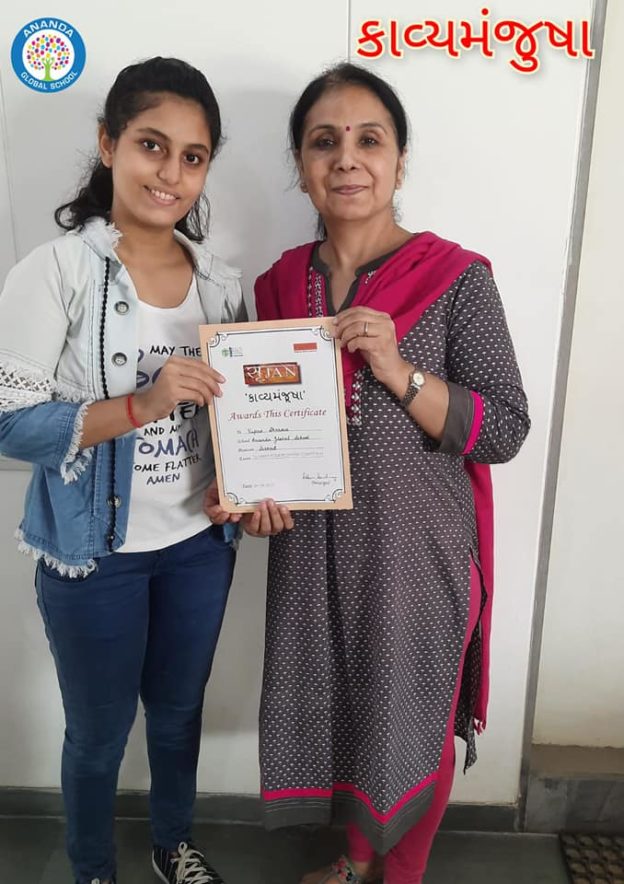
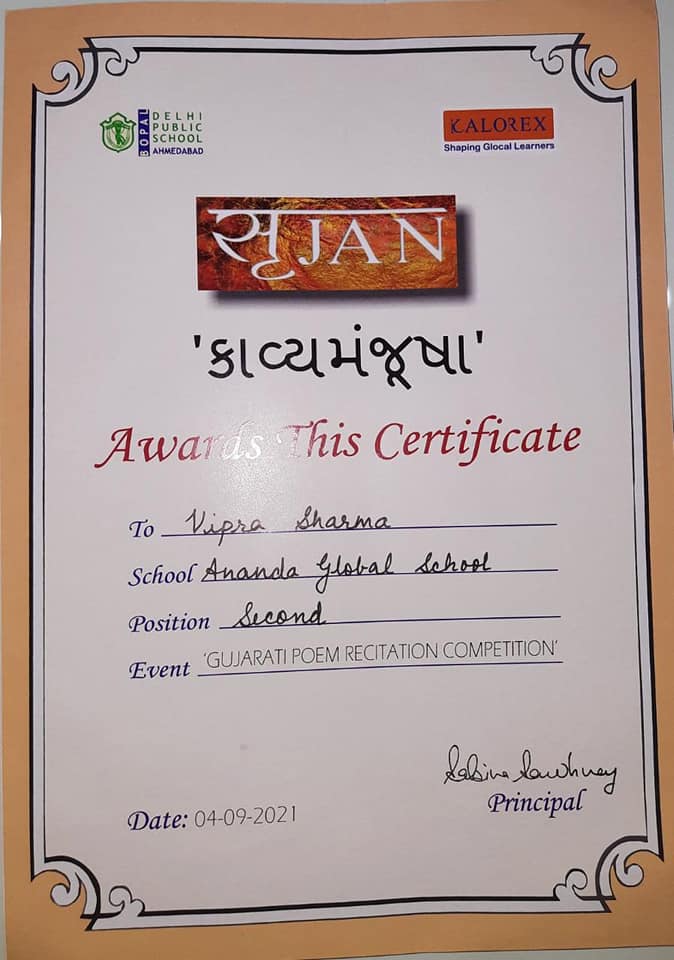
    Winner of Kavyamanjusha, Gujarati Poem Recitation competition,as a part of Srijan was held at DPS Bopal on 4 September 2021 on a virtual platform.
    There were 15 participating schools and Vipra Sharma of grade 10 represented Ananda Global School.
    The competition was judged by Ms Bharti, an ex-principal, Devashya International School and Ms Hetal, a language expert and a language teacher at C N Vidya Vihar.
    All the poems recited were impeccable and creative at the same time, evoking several emotions.
    Vipra Sharma bagged Second position in this coveted competition.

    Ice-cream Party at Ananda Global School

    Ice-cream Party at Ananda Global School

    Ice-cream Party at Ananda Global School

    Ice-cream Party at Ananda Global School

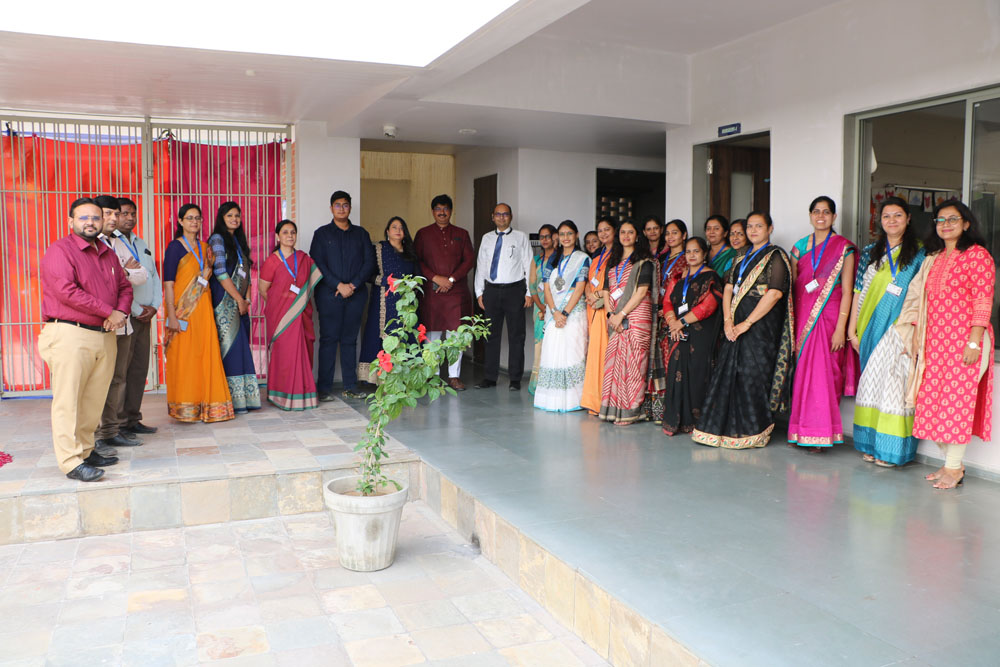
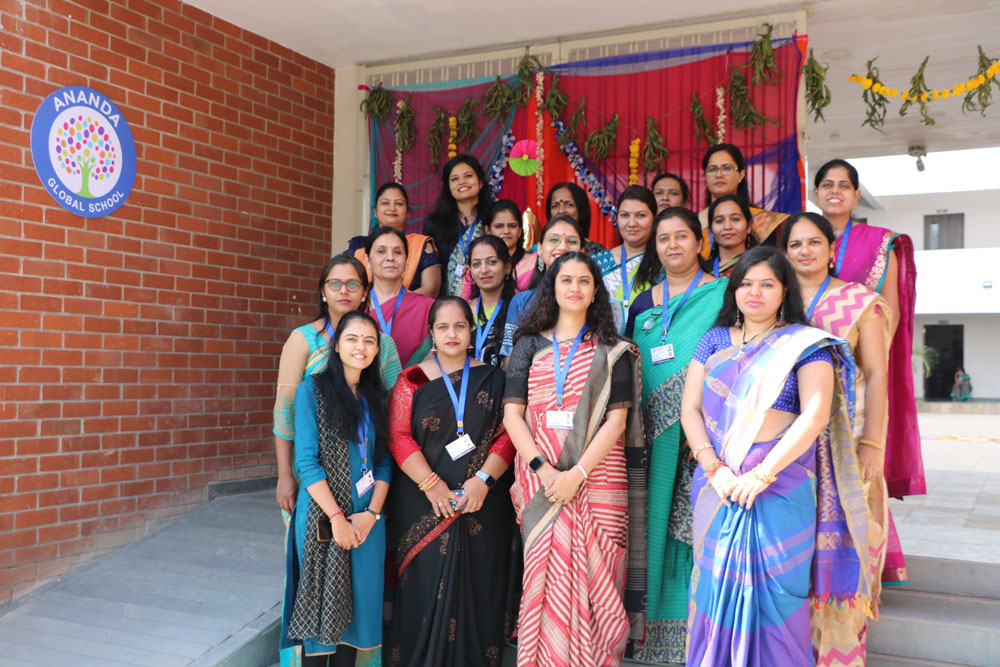
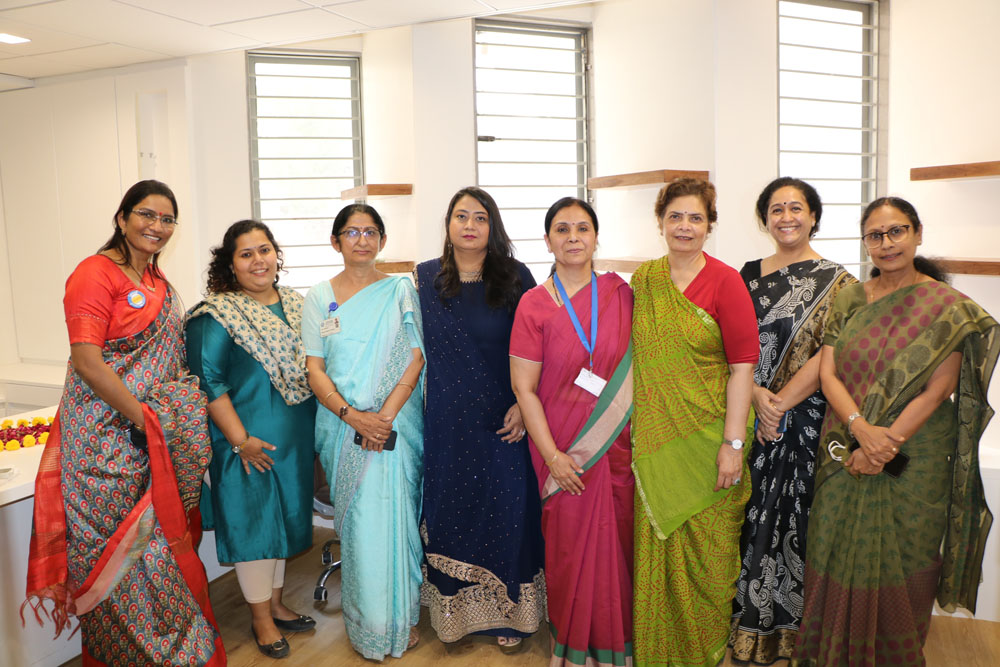
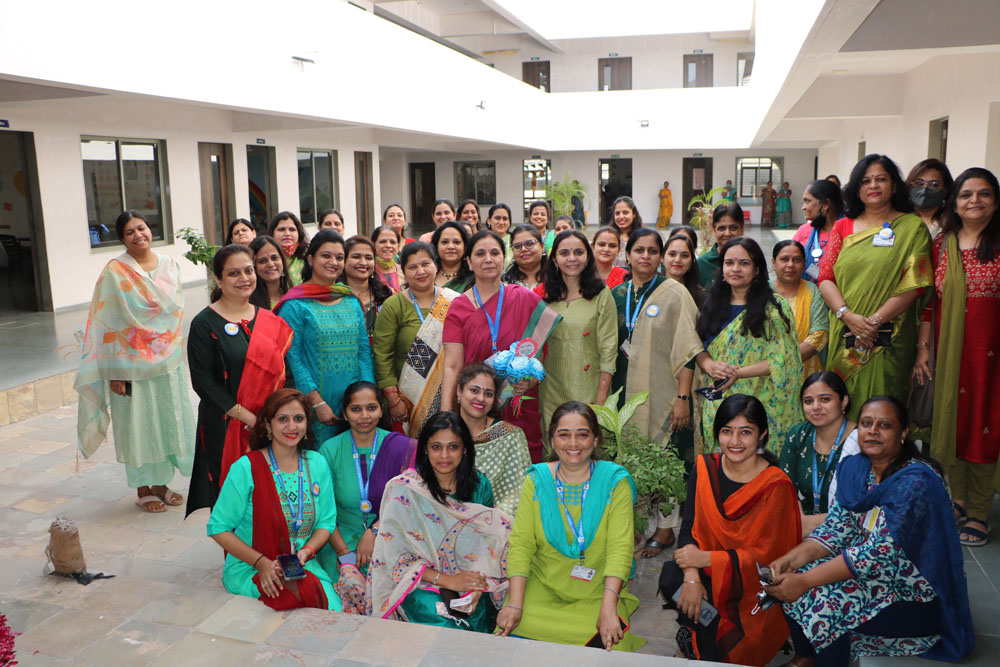
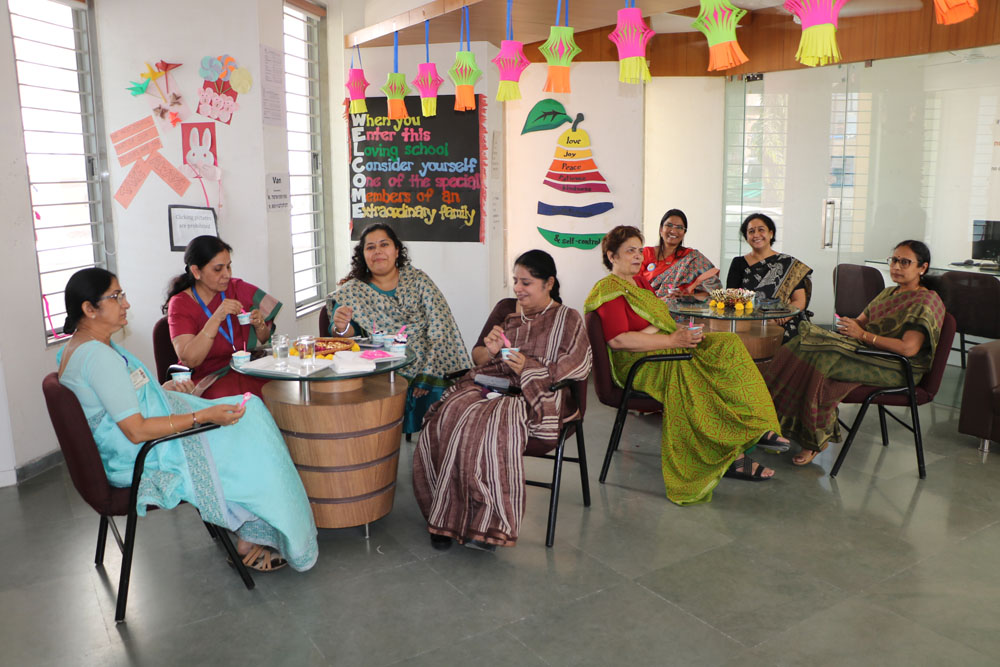
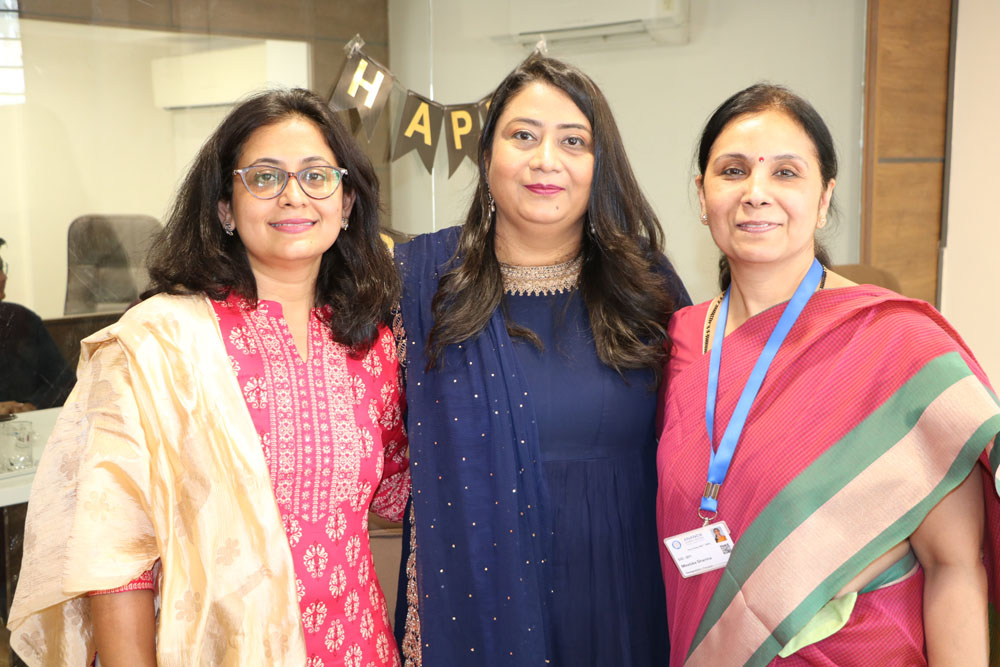
    Ananda Global School, Best Preschool In Ahmedabad with lots of zeal and enthusiasm had hosted an Ice-cream Party at Ananda Global School on 29th October 2021.

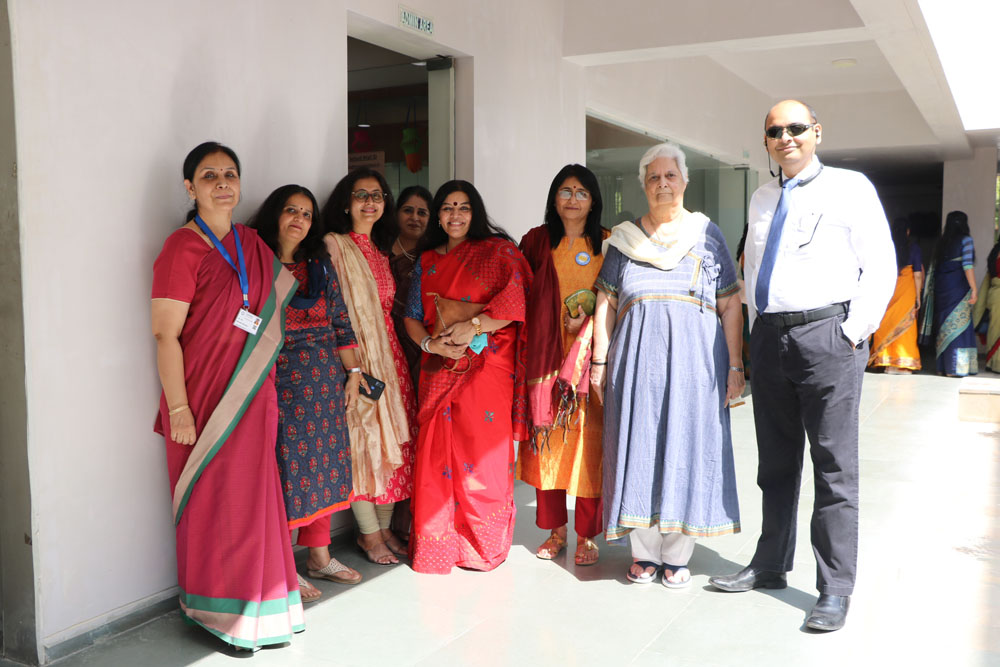
    Around 650 enthusiastic and passionate educators from Udgam School for Children, Satellite School for Children, Zebar School for Children, Bodakdev School for Children and Elite School for Children were heartily welcomed for the event.

    Teachers had a great time meeting each other, and added sparks of positivity in the Pre Diwali Celebration.

    Looking forward to more such gatherings of Vibrant educators!!

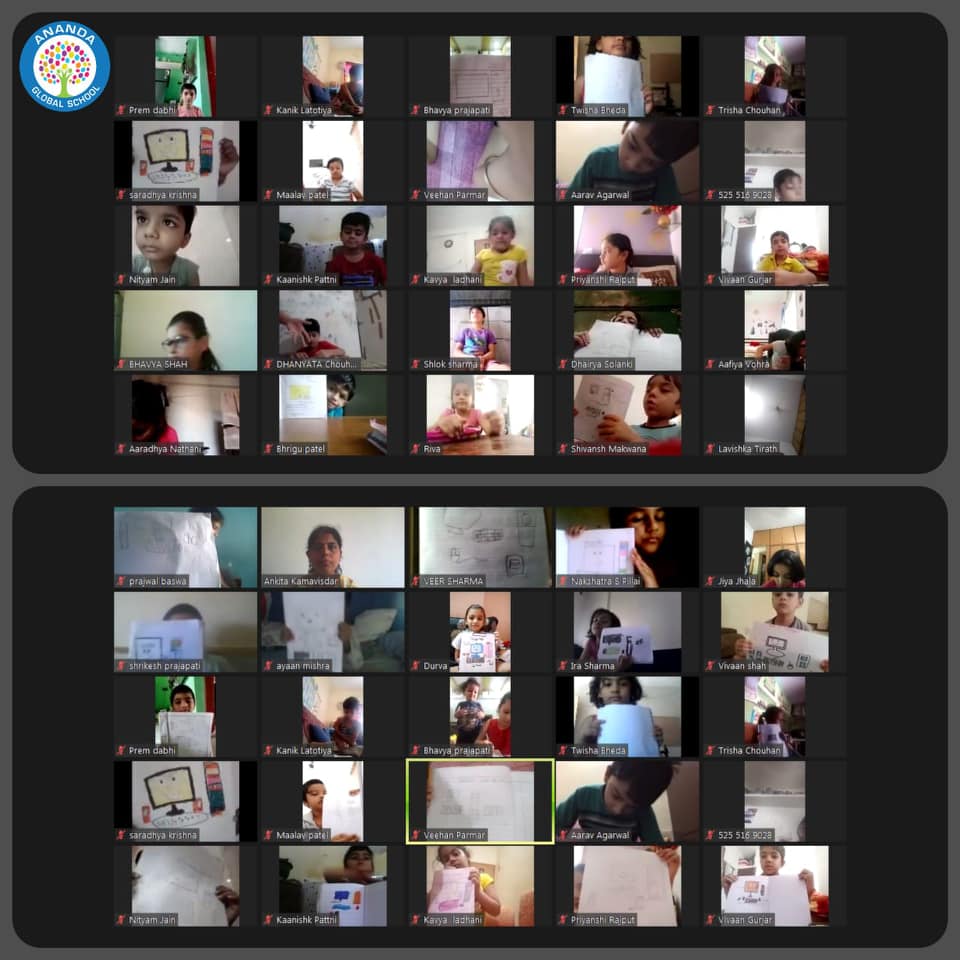
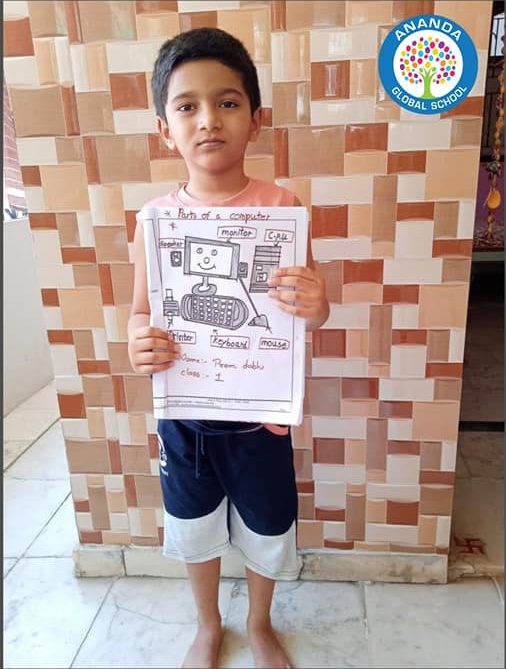
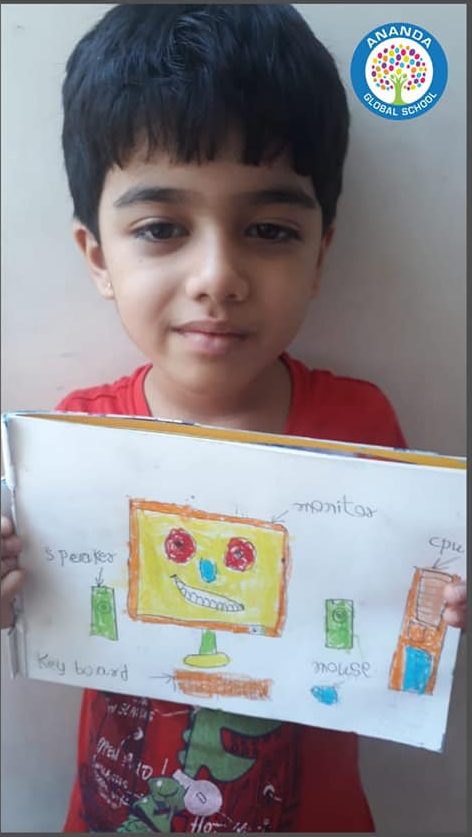
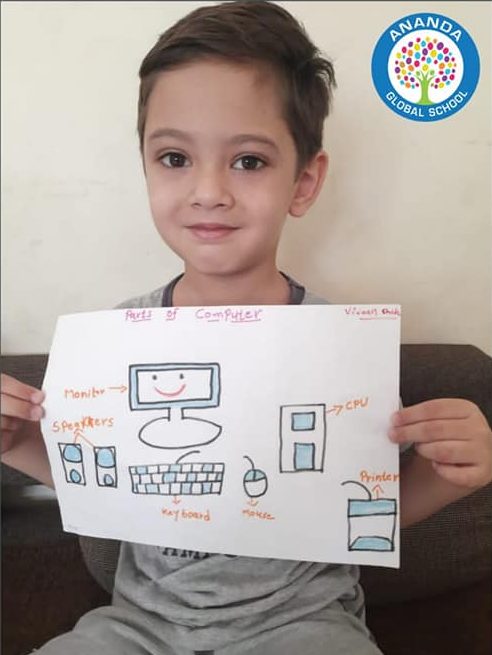
    Computer Class with Smiley Faces : Grade 1

    Computer Class with Smiley Faces : Grade 1

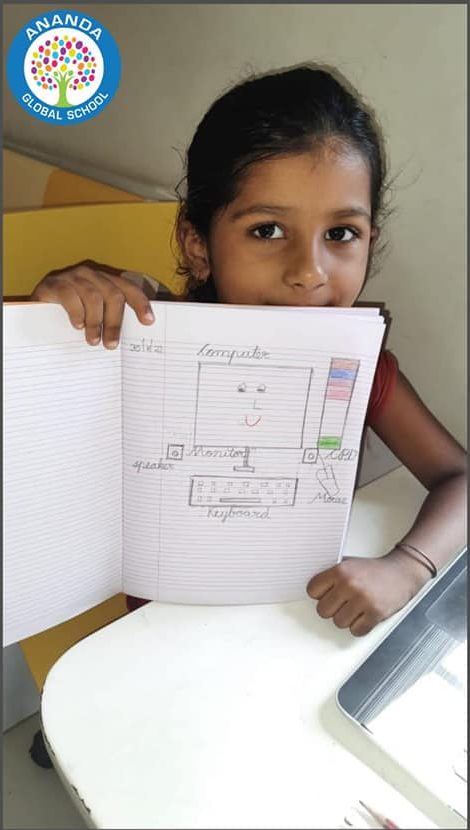
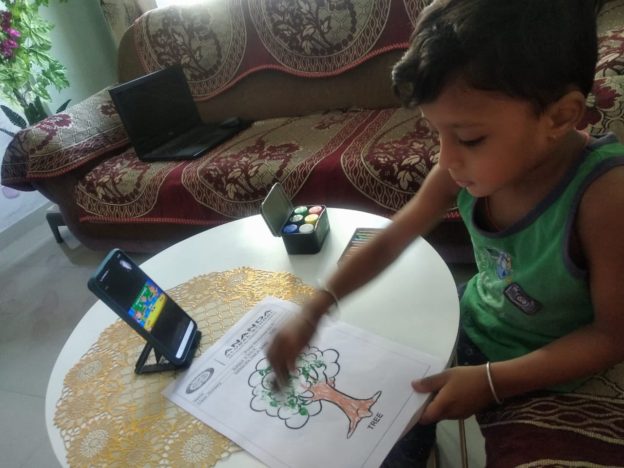
    Technology has played very important role in this pandemic because of which students are not missing their academics. Here are some glimpses of Grade 1 students of Ananda showing their own creativity during computer class with smiley faces.

    Fun Time : Senior Kg

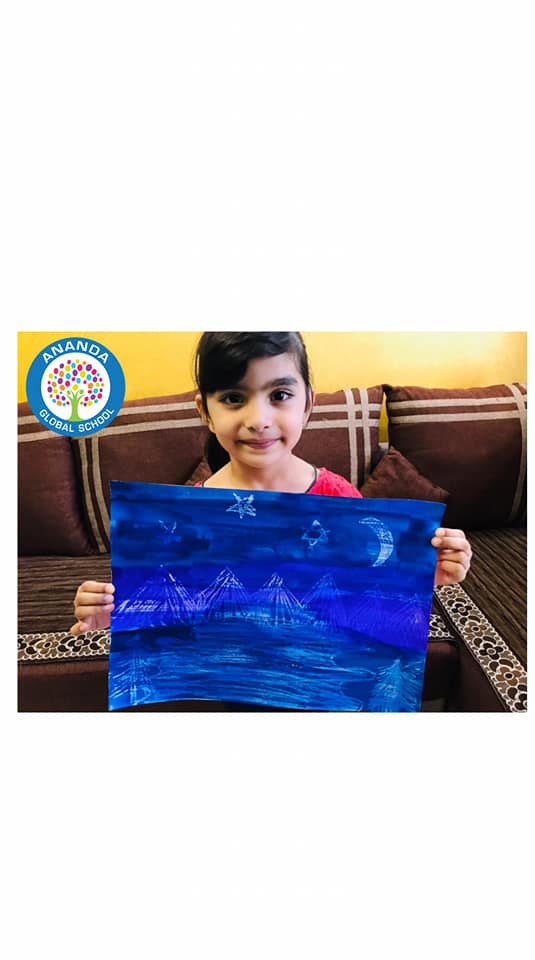
    Summer break is on and our little babies from Senior Kg.of Ananda Global School are utilizing their time creatively. Here are some glimpses…

    Covid Child Care Helpline

    Covid Child Care Helpline in Ananda Global School

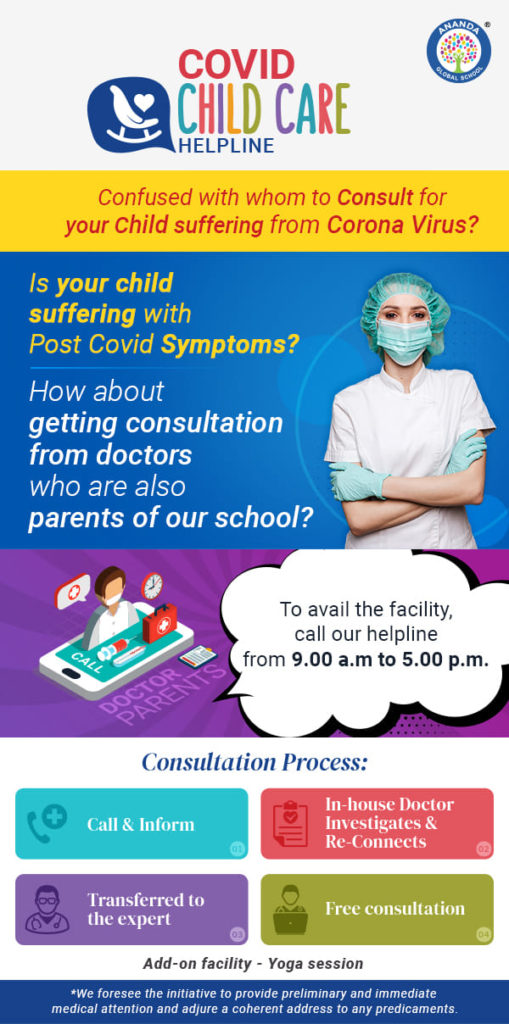
    COVID-19 is a disease caused by a new strain of coronavirus. ‘CO’ stands for corona, ‘VI’ for virus, and ‘D’ for disease. As the 2nd wave also started affecting children we have come up with a helpline where parents can avail consultation for their child suffering from COVID as well as post symptoms.

    Call us now for a free teleconsultation between 9:00 a.m to 5:00 p.m on the class wise numbers mentioned below:

    Nursery to Grade 2: 07971012302 / 07971012446
    Grades 3 to 8: 07971012447 / 07971012396
    Grades 9 & 10 : 079 71012321

    In order to help our students boost immunity, a free yoga session will be conducted daily from Monday to Friday, starting from 1st May Link to register for free yoga session https://bit.ly/3tXgvzz

    Let us all stand together to defeat the Virus.

    Fine Motor Skill Development

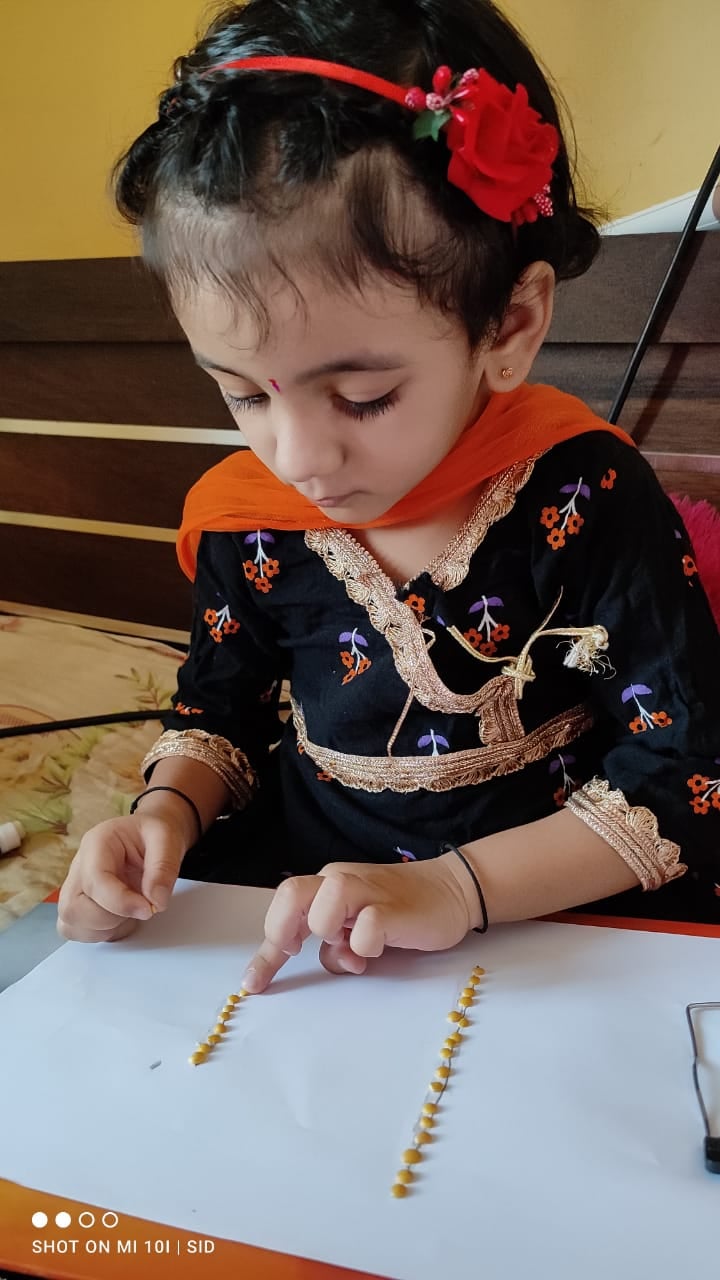
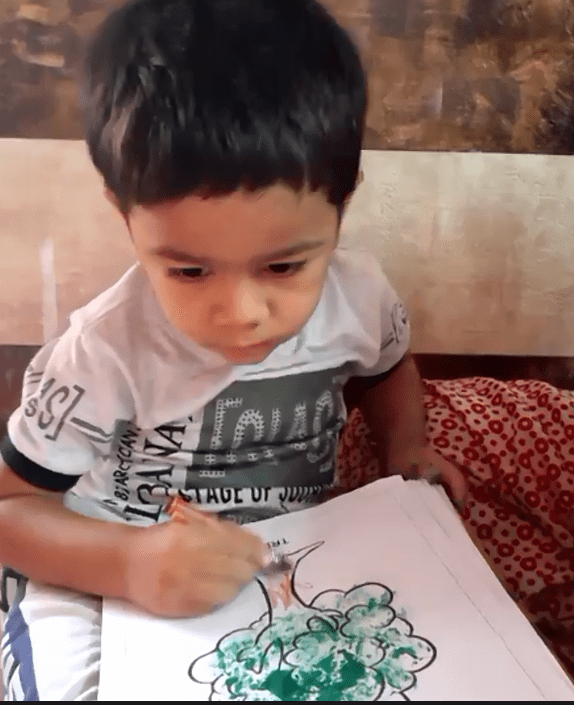
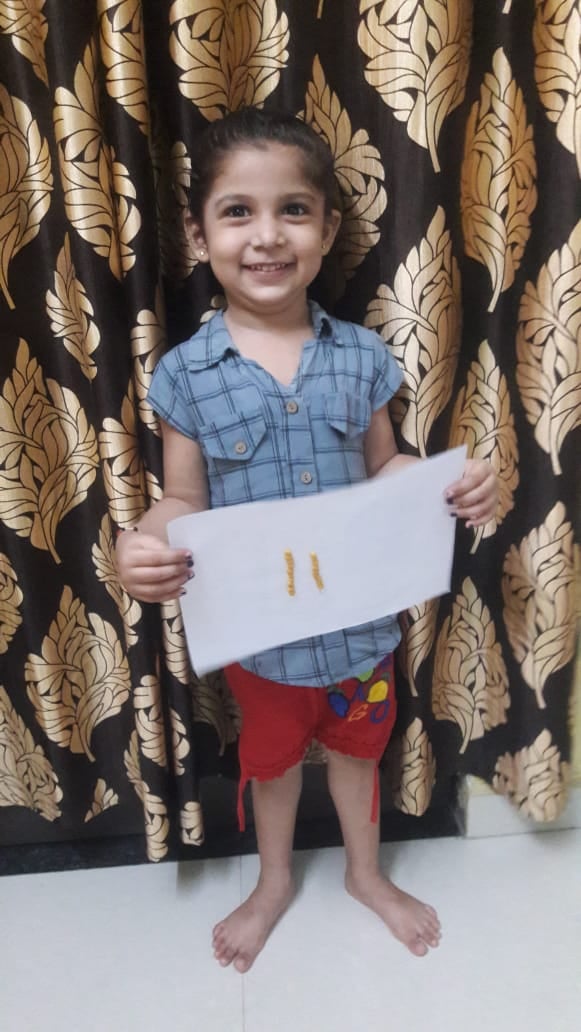
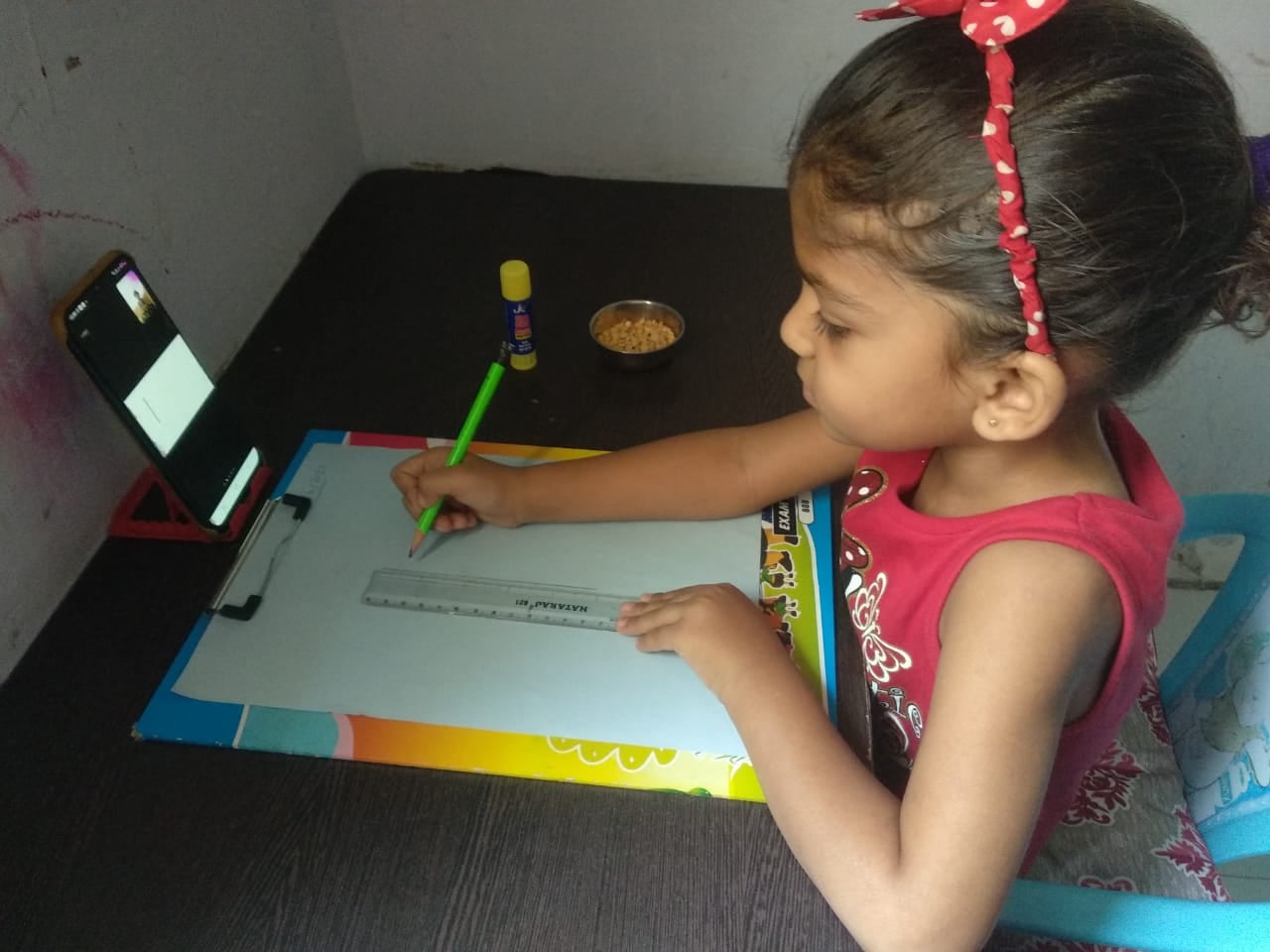
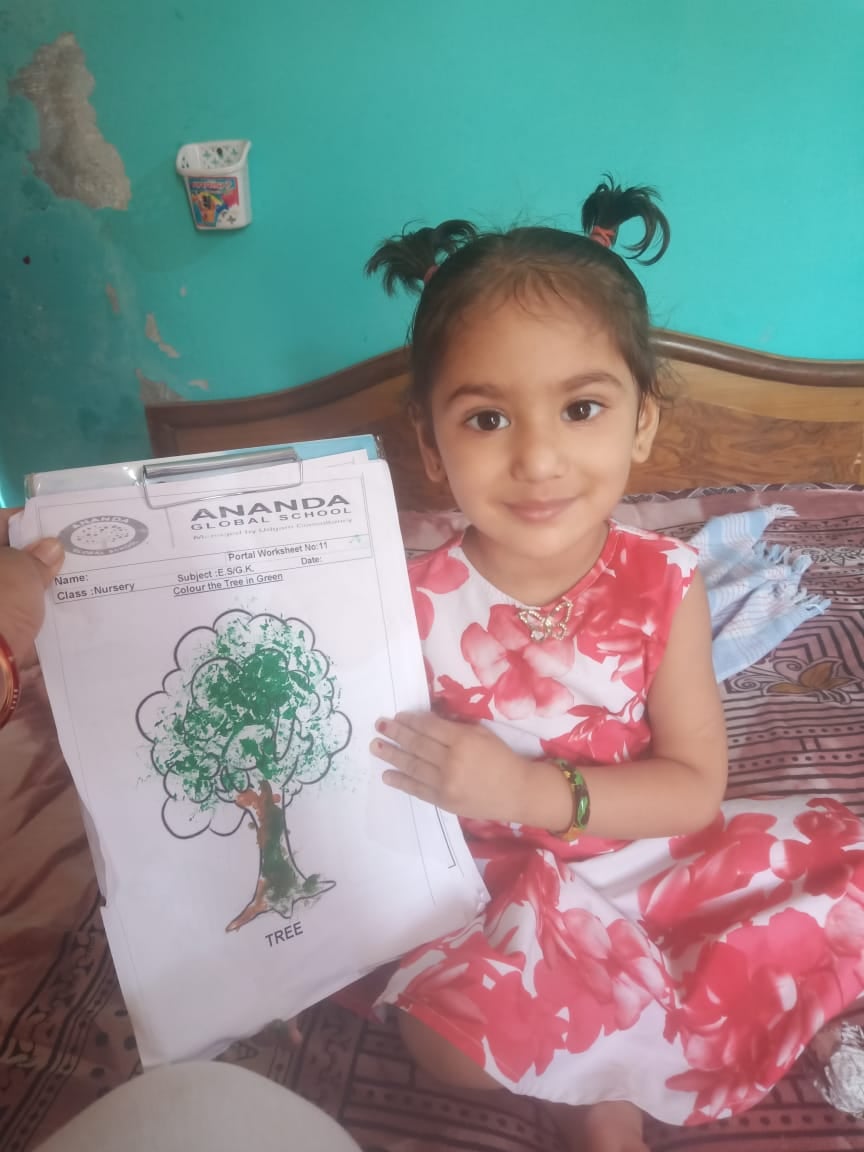
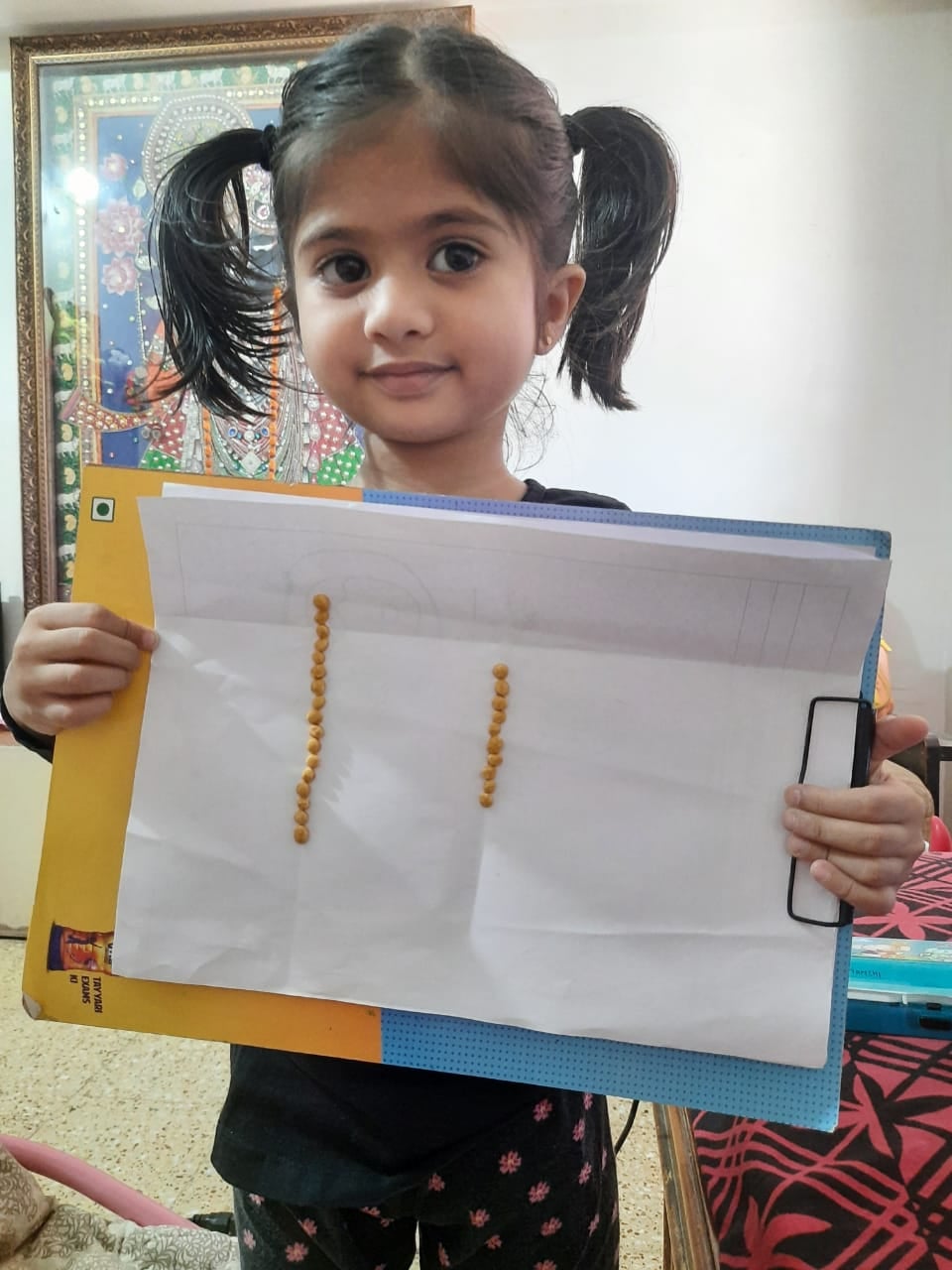
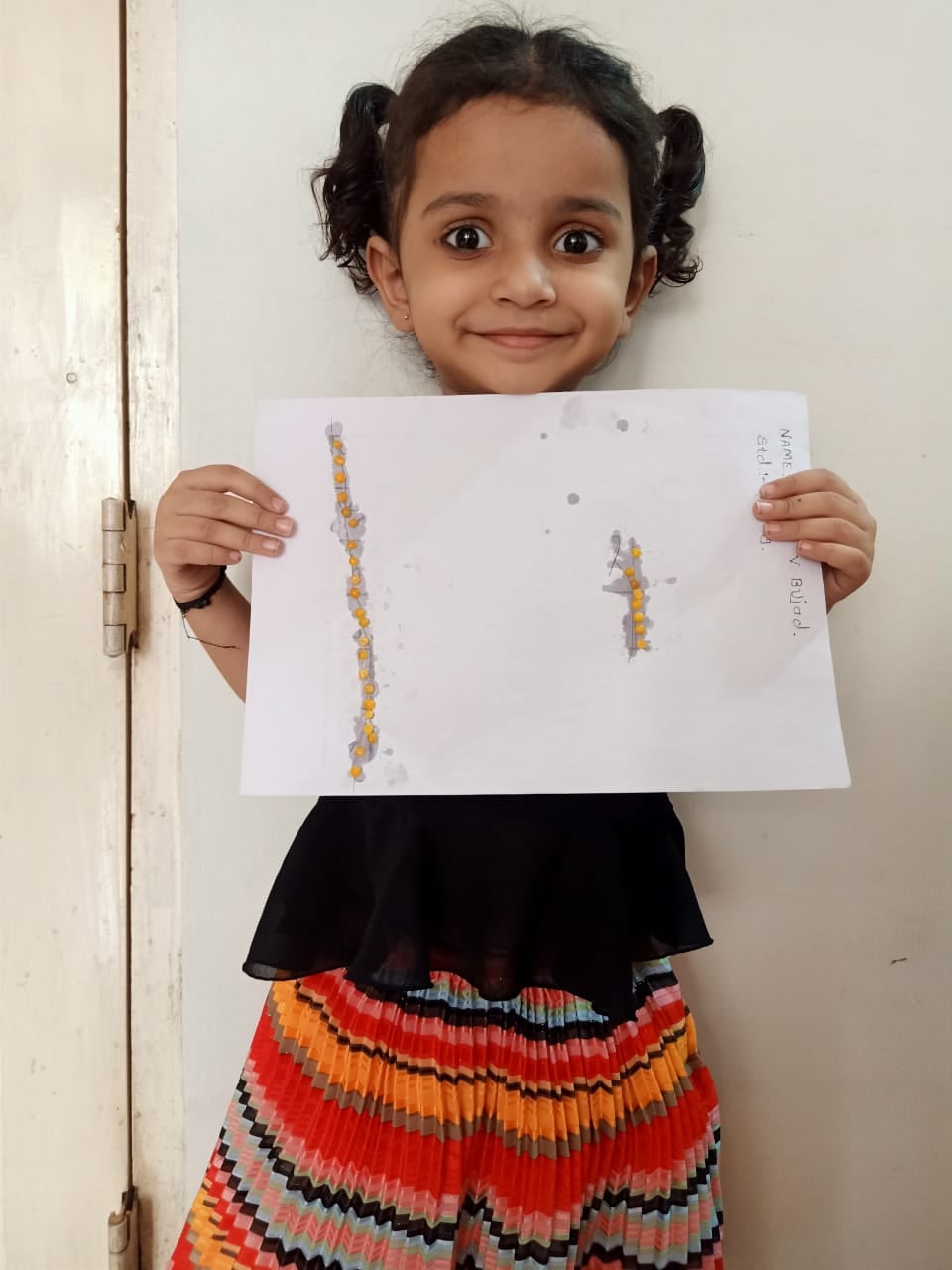
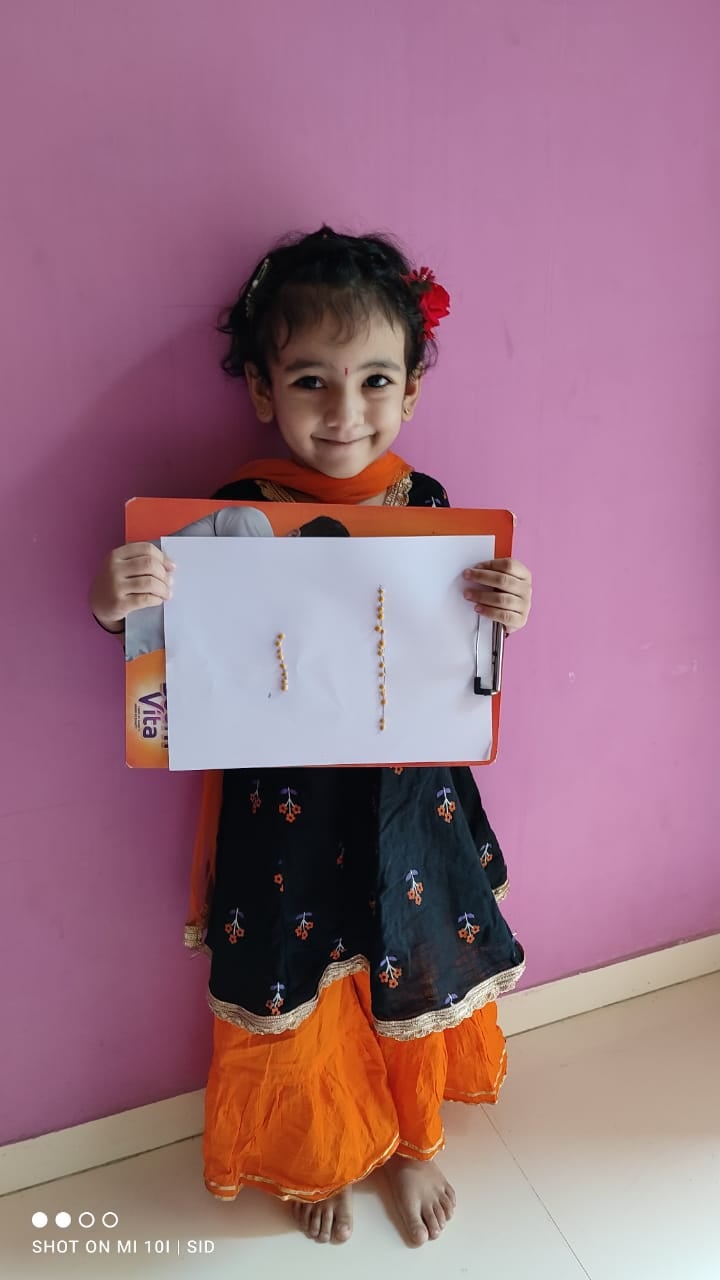
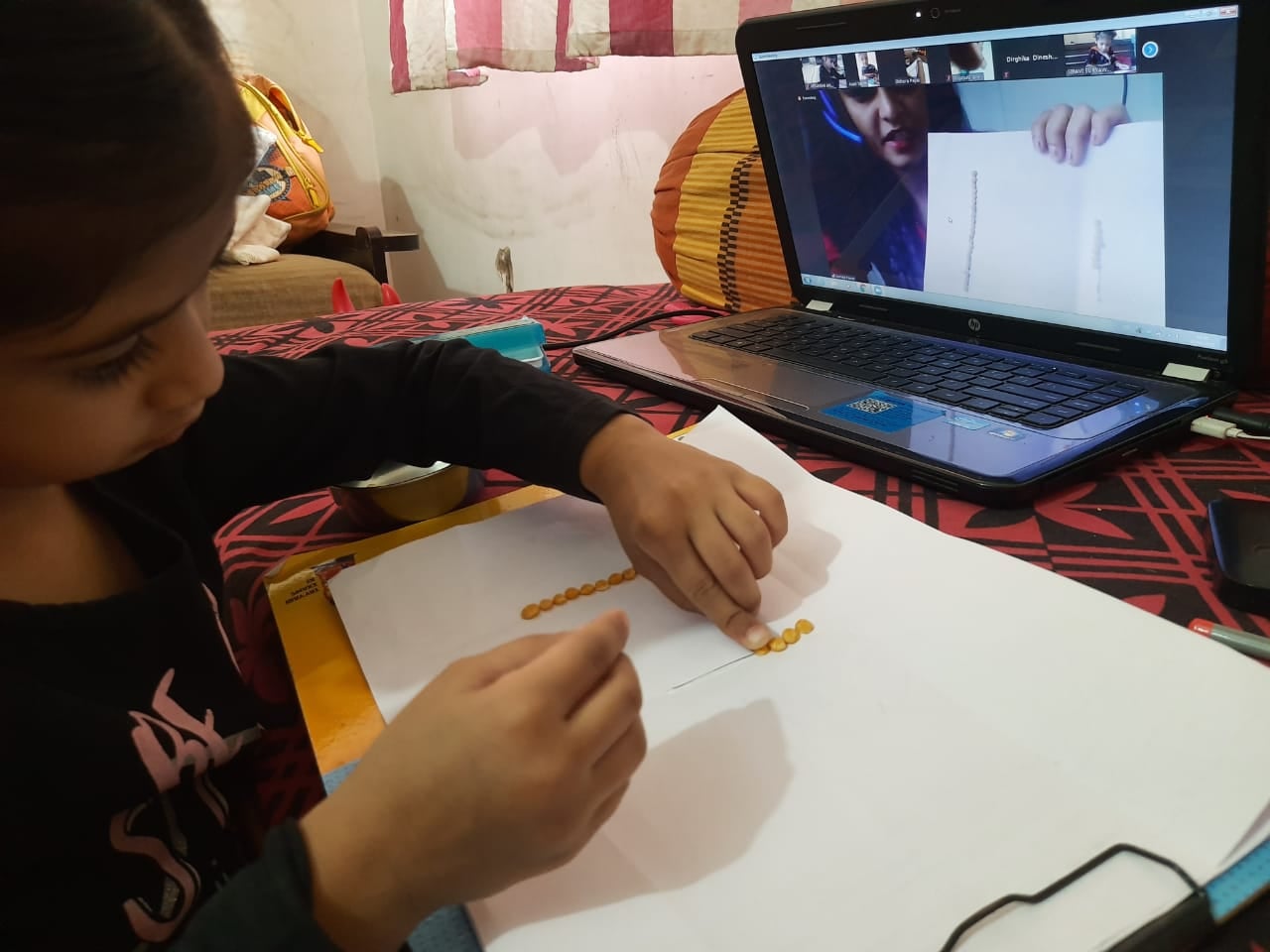
    Fine motor skill development is an important process for pre-schoolers. Activities like pasting pulses in Junior Kg and paper crumbling in Nursery involve eye-hand coordination. Tiny tots enjoy doing these fun activities.