
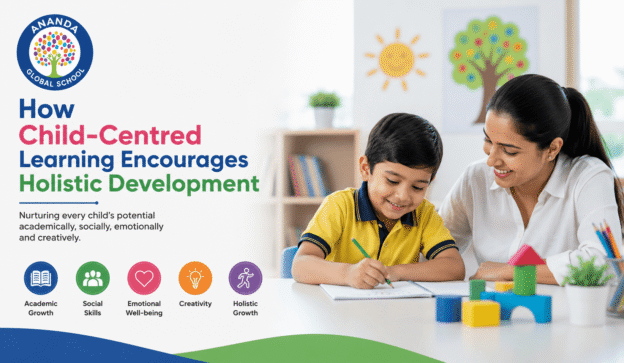
Education in the early years plays a vital role in shaping a child’s future growth and success. Among the many educational approaches available today, child-centred learning has gained significant attention for its ability to nurture the overall development of young learners. Instead of focusing solely on academic instruction, this approach places the child at the center of the learning experience, encouraging exploration, creativity, and active participation. Parents searching for the Best Preschool In Ahmedabad often value educational environments that prioritize individual growth while fostering a lifelong love for learning.
Understanding Child-Centred Learning
Child-centred learning is an educational philosophy that recognizes each child as a unique individual with different interests, abilities, and learning styles. Rather than following a rigid teaching structure, educators create opportunities for children to explore concepts through meaningful experiences.
Key characteristics of this approach include:
- Active participation in learning
- Personalized educational experiences
- Encouragement of curiosity and exploration
- Support for independent thinking
- Respect for individual learning pace
By allowing children to take an active role in their education, this approach helps them become more confident and engaged learners.
Building Strong Cognitive Foundations
Many educators at a Preschool in Vejalpur and similar early learning environments understand the importance of developing cognitive skills during the formative years. Child-centred learning encourages children to ask questions, investigate ideas, and solve problems independently.
Benefits for cognitive development include:
- Improved critical thinking skills
- Enhanced problem-solving abilities
- Better concentration and focus
- Increased creativity
- Stronger decision-making capabilities
Through interactive activities and hands-on experiences, children learn how to process information effectively while developing confidence in their own abilities.
Supporting Social and Emotional Growth
Holistic development extends beyond academics. Social and emotional well-being plays an equally important role in preparing children for future success. Child-centred learning creates opportunities for children to interact with peers, express emotions, and develop meaningful relationships.
Areas of Development Supported by Child-Centred Learning
| Development Area | Benefit |
| Cognitive Growth | Stronger thinking and reasoning skills |
| Emotional Development | Improved self-awareness and confidence |
| Social Skills | Better communication and cooperation |
| Creativity | Enhanced imagination and innovation |
| Physical Development | Improved coordination and motor skills |
These areas work together to help children become well-rounded individuals capable of adapting to different situations and challenges.
Encouraging Creativity and Independent Exploration
Creativity is a crucial skill in today’s world. Child-centred learning encourages children to explore ideas freely, experiment with different approaches, and express themselves in unique ways. Many families looking for a Pre School In Ahmedabad appreciate programs that provide opportunities for creative development alongside foundational learning.
Examples of activities that support creativity include:
- Art and craft projects
- Storytelling and role play
- Music and movement sessions
- Building and construction activities
- Nature-based exploration
These experiences allow children to discover their interests while developing confidence, imagination, and innovative thinking skills that benefit them throughout life.
Preparing Children for Lifelong Learning
One of the greatest advantages of child-centred learning is its ability to cultivate a lifelong passion for education. When children are encouraged to explore, question, and participate actively, they develop positive attitudes toward learning that extend beyond the classroom.
This approach helps children:
- Become independent learners
- Develop resilience and adaptability
- Build self-confidence
- Strengthen communication skills
- Foster a growth mindset
By creating positive educational experiences early in life, child-centred learning prepares children to embrace future academic, social, and personal opportunities with enthusiasm and confidence.
Conclusion
Child-centred learning plays a significant role in encouraging holistic development by addressing every aspect of a child’s growth. Through personalized experiences, creative exploration, social interaction, and active engagement, children develop the skills and confidence needed for future success. Families seeking a Top Preschool in Ahmedabad often appreciate educational environments that nurture individuality while supporting comprehensive development. Institutions such as Ananda School reflect the growing importance of child-focused learning approaches that help young learners build a strong foundation for lifelong growth and achievement.
Frequently Asked Questions
1. What is child-centred learning?
Child-centred learning is an educational approach that focuses on the interests, abilities, and developmental needs of each child while encouraging active participation in learning.
2. How does child-centred learning support holistic development?
It promotes cognitive, social, emotional, physical, and creative growth through personalized and engaging learning experiences.
3. Why is creativity important in early education?
Creativity helps children develop problem-solving abilities, confidence, innovation, and independent thinking skills that support future success.
4. Does child-centred learning improve academic readiness?
Yes. It strengthens foundational skills such as communication, critical thinking, concentration, and problem-solving, which contribute to academic success.
5. How can parents support child-centred learning at home?
Parents can encourage exploration, provide opportunities for creative activities, ask open-ended questions, and support independent decision-making.
