
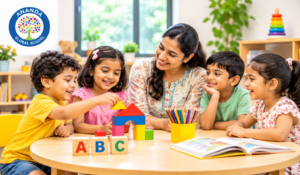
A child’s early years are filled with curiosity, discovery and important first experiences. Preschool is often where children begin learning how to interact with others, express their thoughts, follow simple routines and explore the world beyond home. Choosing the right environment can make this transition more comfortable for both children and parents. If you are considering a Preschool in Jodhpur Ahmedabad, look beyond colourful classrooms and basic alphabet lessons. A good preschool should support a child’s emotional, social, physical and cognitive development while making everyday learning enjoyable.
1. A Warm and Welcoming Learning Environment
For many children, preschool is their first experience of spending time away from family. The environment should therefore feel safe, friendly and welcoming.
When visiting a preschool, observe whether:
- Classrooms are clean, organised and suitable for young children.
- Learning materials are accessible and age-appropriate.
- Children appear comfortable approaching teachers.
- There is enough space for indoor and outdoor activities.
- The overall atmosphere feels calm, positive and encouraging.
A welcoming setting can help children gradually become familiar with their surroundings and develop confidence in a new routine.
2. Caring and Trained Teachers
Teachers play a major role in shaping a child’s early learning experience. At this age, children need patience, encouragement and individual attention rather than constant instructions or pressure.
Look for educators who:
- Understand the developmental needs of young children.
- Communicate in a gentle and age-appropriate manner.
- Encourage children to ask questions and express themselves.
- Handle disagreements and emotional moments patiently.
- Give parents regular updates about a child’s progress.
It is also useful to ask about teacher qualifications, experience and the number of children assigned to each educator.
3. Learning Through Play and Exploration
Young children naturally learn by touching, observing, asking questions and trying things themselves. A preschool should provide opportunities for exploration instead of focusing only on memorising letters and numbers.
A balanced programme may include:
- Building blocks, puzzles and sorting activities.
- Storytelling, picture books and conversation.
- Music, movement and simple games.
- Drawing, colouring and craft activities.
- Nature observation and hands-on exploration.
These experiences can introduce early concepts such as shapes, colours, patterns and numbers while helping children develop curiosity and problem-solving skills.
4. Focus on Social and Emotional Development
Preschool is not just about academic readiness. It is also where children begin learning how to share, cooperate, communicate and understand their feelings.
A supportive Pre School In Ahmedabad should encourage children to develop important social and emotional skills through everyday interactions.
For example, children can learn to:
- Take turns during group activities.
- Share toys and learning materials.
- Express their needs and feelings.
- Listen when someone else is speaking.
- Participate in group play and simple tasks.
Teachers should guide children through these experiences with patience. Every child develops at a different pace, so comparisons and unnecessary pressure should be avoided.
5. Age-Appropriate Curriculum and Activities
A good preschool programme introduces foundational skills in a way that matches children’s developmental stages. The focus should be on gradual progress rather than expecting every child to achieve the same results at the same time.
Before enrolling your child, ask about:
- Language and communication activities.
- Early number and shape recognition.
- Fine motor activities, such as holding crayons and handling objects.
- Physical movement and coordination.
- Opportunities for independent tasks and decision-making.
A well-rounded curriculum balances guided activities with free play, giving children enough time to learn and explore naturally.
6. Hygiene, Safety and Child-Friendly Facilities
Parents should feel confident that their child is spending time in a clean and appropriately supervised environment. Safety arrangements are especially important for younger children who are still learning to recognise risks.
Check whether the preschool maintains:
- Clean classrooms, toilets and play areas.
- Safe furniture and age-appropriate equipment.
- Secure entry and exit arrangements.
- Appropriate supervision during activities.
- Clear procedures for illness, injuries and emergencies.
Ask about the school’s policies for authorised pick-up, visitor access and communication with parents. These practical details can help families understand how children’s safety is managed.
7. Parent-Teacher Communication and Involvement
A child’s development continues at home, so communication between parents and teachers is valuable. Regular conversations can help families understand what their child enjoys, where they may need support and how they are adjusting to preschool.
Look for a school that:
- Shares meaningful updates about children’s activities.
- Discusses developmental progress with parents.
- Listens to parental concerns.
- Provides guidance on building simple learning habits at home.
- Maintains clear communication about events and daily routines.
When parents and teachers work together, children can receive more consistent encouragement across home and school environments.
8. Preparing Children for Their Next Educational Stage
Preschool should help children become comfortable with learning, routines and group participation. These early experiences can make the transition to formal schooling easier.
When comparing options, including Top Schools In Ahmedabad, consider whether the preschool helps children build:
- Confidence in communicating with others.
- Basic listening and attention skills.
- Independence in simple everyday tasks.
- Curiosity and a positive attitude towards learning.
- The ability to participate in group activities.
The aim is not to rush children into formal academics. It is to help them develop the confidence and foundational skills they will gradually use in later years.
Frequently Asked Questions (FAQs)
1. What is the right age to start preschool?
The appropriate age depends on a child’s development, readiness and family circumstances. Many children begin preschool around two-and-a-half to three years of age, but parents should discuss individual needs with the school.
2. How can I know if my child is ready for preschool?
Signs may include curiosity about new activities, interest in playing with other children and some comfort with short periods away from parents. Readiness varies, and children do not need to have mastered every independent skill before joining.
3. What should I check during a preschool visit?
Observe classroom cleanliness, teacher-child interactions, safety arrangements, learning materials, play facilities and the overall atmosphere. Ask about the curriculum, daily schedule and parent communication.
4. Is play-based learning important in preschool?
Yes. Play gives young children opportunities to explore ideas, practise communication, develop coordination and learn social skills. It can make foundational learning more engaging and appropriate for their age.
5. How can parents help children adjust to preschool?
Establish a predictable morning routine, talk positively about school, allow time for adjustment and listen to your child’s feelings. Staying in regular contact with teachers can also help address concerns.
Conclusion
A great preschool gives children more than an introduction to letters, numbers and classroom routines. It offers a caring environment where they can explore, make friends, develop independence and become comfortable with new experiences. Parents should consider teacher quality, learning methods, safety, communication and opportunities for overall development before making a decision.
When evaluating a School In Ahmedabad, remember that the best choice is one that respects your child’s individual pace and makes learning a positive experience. A thoughtful start can help build the confidence, curiosity and foundational skills children carry into the next stage of their education.
