
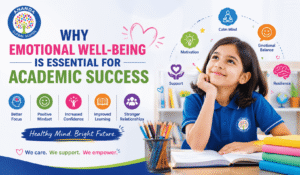
Academic achievement is often associated with intelligence, study habits, and access to quality education. However, one equally important factor that significantly influences learning outcomes is emotional well-being. Children who feel safe, supported, and emotionally secure are more likely to engage actively in learning, build healthy relationships, and develop confidence in their abilities. Educational environments, including a Preschool in Satellite, increasingly recognize that emotional development and academic success are closely connected. By nurturing emotional well-being from an early age, schools can help students build a strong foundation for lifelong learning and personal growth.
Understanding the Link Between Emotions and Learning
Emotions play a critical role in how children process information, solve problems, and interact with others. Positive emotional experiences create an environment where students feel comfortable exploring new ideas and taking on challenges.
When emotional well-being is prioritized, children are more likely to:
- Maintain focus and concentration
- Participate actively in classroom activities
- Develop positive learning habits
- Build confidence in their abilities
- Demonstrate resilience during challenges
A supportive educational environment helps students approach learning with curiosity and enthusiasm rather than anxiety or fear.
Creating Supportive Learning Environments
Many educators in Top Schools In Ahmedabad understand that students perform better academically when they feel emotionally supported. Schools that foster positive relationships between teachers, students, and peers contribute to stronger engagement and better educational outcomes.
Key elements of a supportive learning environment include:
- Respectful communication
- Encouragement and positive reinforcement
- Opportunities for self-expression
- Inclusive classroom practices
- Strong teacher-student relationships
These factors help students develop a sense of belonging, which is essential for both emotional stability and academic motivation.
The Impact of Emotional Well-Being on Academic Performance
Children who experience emotional balance often demonstrate stronger learning capabilities. They are better equipped to manage classroom responsibilities, handle setbacks, and maintain motivation over time.
How Emotional Well-Being Supports Learning
| Area | Academic Benefit |
| Self-Confidence | Greater participation in learning activities |
| Emotional Regulation | Improved focus and concentration |
| Social Skills | Better collaboration and teamwork |
| Resilience | Stronger ability to overcome challenges |
| Positive Mindset | Increased motivation to learn |
When students feel emotionally secure, they are more likely to embrace new learning experiences and achieve their academic potential.
Building Emotional Skills During Early Childhood
Early childhood is a crucial period for emotional development. Educational settings such as a Preschool In Satellite Ahmedabad provide opportunities for children to learn how to recognize, express, and manage emotions effectively.
Important emotional skills developed during early education include:
- Self-awareness
- Empathy and understanding
- Communication skills
- Conflict resolution
- Emotional regulation
These abilities help children navigate social situations, build meaningful relationships, and develop confidence in themselves. Strong emotional skills also contribute to better classroom behavior and greater readiness for future academic challenges.
The Role of Families and Educators
Supporting emotional well-being requires collaboration between families and educators. Children benefit when adults provide consistent guidance, encouragement, and opportunities to discuss their feelings openly.
Effective strategies include:
- Encouraging open communication
- Celebrating achievements and effort
- Teaching problem-solving skills
- Promoting healthy social interactions
- Creating predictable routines
When children receive emotional support both at home and in educational environments, they are more likely to develop resilience and a positive attitude toward learning.
Lear More
A child’s education extends beyond academics. Read our guide, How Child-Centred Learning Encourages Holistic Development, to explore how personalized teaching methods, play-based learning, and nurturing classroom experiences help children develop cognitive, emotional, social, and creative skills. The article explains how a child-centred approach builds confidence, independence, and a lifelong love for learning while preparing young learners for future academic and personal success.
Conclusion
Emotional well-being is a vital component of academic success because it influences how children learn, interact, and respond to challenges. By fostering confidence, resilience, and positive relationships, educational institutions can help students achieve both personal and academic growth. Families searching for the Best Preschool in Ahmedabad Satellite often value environments that prioritize emotional development alongside academic learning. Schools such as Ananda School reflect the importance of nurturing emotional well-being to help children build the skills, mindset, and confidence needed for lifelong success.
Frequently Asked Questions
1. Why is emotional well-being important for academic success?
Emotional well-being helps children focus, build confidence, manage stress, and engage more effectively in learning activities.
2. How does emotional health affect classroom performance?
Students with strong emotional health often demonstrate better concentration, participation, problem-solving abilities, and motivation.
3. What emotional skills should children develop early?
Important skills include self-awareness, empathy, communication, emotional regulation, and conflict resolution.
4. How can schools support emotional well-being?
Schools can create supportive environments, encourage positive relationships, promote inclusion, and provide opportunities for emotional expression.
5. What role do parents play in emotional development?
Parents support emotional growth by maintaining open communication, offering encouragement, teaching coping skills, and creating a stable environment.
