Author Archives: superadmin

Holistic Education Award 2026

” A Moment of Pride for Ananda Global School!

We are proud to announce that Ananda Global School, Ahmedabad has been honoured with the Ahmedabad Excellence: Holistic Education Award 2026 in the category of Digital and Smart Education.

This recognition reflects our continuous efforts to integrate technology with quality education and nurture students through innovative, future-ready learning practices.

We extend our heartfelt gratitude to our dedicated teachers, supportive parents, and our wonderful students who inspire us to strive for excellence every day.

Together, we continue to shape bright minds and a brighter future.”

Top Factors to Consider When Enrolling Your Child in a CBSE School

Best cbse school in ahmedabad

Best cbse school in ahmedabad
Choosing the right school for your child is one of the most important decisions you will make as a parent. It lays the foundation for academic growth, personality development, and future success. With many options available today, selecting from various CBSE Schools In Ahmedabad can feel overwhelming. A thoughtful evaluation of key factors can help you make an informed and balanced decision that aligns with your child’s needs and long-term goals.

Key Considerations for Choosing the Right School

When evaluating institutions, it’s essential to look beyond surface-level features like infrastructure or popularity. A deeper understanding of the academic environment, teaching methods, and student support systems will help ensure your child receives a well-rounded education.

Academic Curriculum and Teaching Approach

One of the first aspects to review is the curriculum structure and how it is delivered. A strong academic framework should not only focus on theoretical knowledge but also encourage critical thinking, creativity, and problem-solving. Schools affiliated with a national curriculum often follow standardized guidelines, but teaching methodologies may differ. Look for institutions that emphasize experiential learning, interactive sessions, and continuous assessment rather than rote memorization.

Faculty Qualifications and Experience

Teachers play a crucial role in shaping a child’s educational journey. Qualified and experienced educators can significantly enhance learning outcomes. It is beneficial to choose a CBSE Board School In Ahmedabad that invests in regular teacher training, adopts modern pedagogical techniques, and maintains a low student-to-teacher ratio. This ensures personalized attention and better academic support.

Infrastructure and Learning Environment

A safe, well-equipped campus contributes to a productive learning experience. Modern classrooms, science laboratories, libraries, and digital learning tools can enrich a child’s academic exposure. However, infrastructure should support education rather than act as a distraction. A balanced environment that promotes both learning and comfort is ideal.

Extracurricular Activities and Holistic Development

Education extends beyond textbooks. Participation in sports, arts, music, and cultural events helps children develop confidence, teamwork, and leadership skills. When reviewing options, consider whether the school offers a diverse range of extracurricular programs. A well-rounded institution encourages students to explore their interests and talents alongside academics.

Location and Accessibility

Proximity to home is an often-overlooked but important factor. Long travel hours can lead to fatigue and reduced productivity. Selecting a school that is easily accessible ensures a better daily routine for both the child and parents. Safe transportation facilities and reliable routes are additional points to consider.

School Culture and Values

Every school has its own culture and philosophy. Some emphasize discipline and structure, while others focus on creativity and independence. Understanding the institution’s values will help determine whether it aligns with your parenting approach. A positive and inclusive environment fosters emotional well-being and social development.

Student Support and Counseling Services

Academic pressure and social challenges can affect a child’s mental health. Schools that provide counseling services, mentorship programs, and career guidance create a supportive atmosphere. Emotional well-being is just as important as academic success, making this a critical factor in your decision-making process.

Parental Involvement and Communication

Transparent communication between parents and school authorities is essential for a child’s progress. Institutions that encourage regular parent-teacher meetings, updates, and feedback systems help build trust and collaboration. This ensures that parents remain actively involved in their child’s educational journey.

Performance and Reputation

While rankings and results should not be the sole deciding factor, they can provide insight into a school’s academic consistency. Reviewing past performance, alumni success, and feedback from other parents can help you gain a realistic perspective. Referring to the List Of CBSE Schools In Ahmedabad can be a useful starting point for shortlisting options and comparing their overall track records.

Fee Structure and Value for Money</h3 >

Education is a long-term investment, so it’s important to evaluate whether the fees align with the facilities and quality of education provided. Higher fees do not always guarantee better outcomes. Look for transparency in fee structure and ensure there are no hidden costs.
Beyond these factors, it is important to involve your child in the decision-making process. Visiting shortlisted schools, interacting with teachers, and observing the campus environment can provide valuable insights. A child who feels comfortable and motivated in their learning space is more likely to thrive academically and socially.

Another important aspect to consider is adaptability. The world is changing rapidly, and educational institutions must keep pace with evolving trends. Schools that integrate technology, promote innovation, and encourage global awareness prepare students for future challenges. This forward-thinking approach can make a significant difference in your child’s readiness for higher education and career opportunities.

In conclusion, selecting the right institution requires careful research, patience, and clarity about your priorities. By evaluating academic standards, faculty, infrastructure, extracurricular opportunities, and student support systems, you can make a well-informed choice. While there are many options available, focusing on what truly matters for your child’s growth will guide you in the right direction. Ultimately, the goal is to find an environment that nurtures curiosity, builds confidence, and supports overall development, helping your child succeed in every aspect of life. Taking the time to assess these factors will bring you closer to identifying the Best CBSE school in Ahmedabad that meets your expectations without compromising on quality or values.

How Preschools Spark Imagination in Young Learners

Preschool in Satellite

Imagination is the foundation of creativity, problem-solving, and emotional growth in early childhood. The environments where children spend their formative years play a powerful role in shaping how they think, explore, and express themselves. A thoughtfully designed learning space encourages curiosity through play, storytelling, and discovery. Parents exploring options such as a Preschool in Satellite often look for programs that balance structure with freedom, allowing young minds to experiment, ask questions, and build confidence through meaningful experiences.

Creative learning begins with an atmosphere that feels safe and welcoming. When children feel comfortable, they are more likely to take risks in their thinking whether that means inventing stories, building imaginative worlds, or expressing emotions through art. Teachers who encourage open-ended activities help children understand that there is no single “right” answer, which nurtures independent thought. Over time, this approach supports stronger communication skills and a lifelong love for learning.

The Role of Play-Based Learning in Building Creativity

Play is not simply a break from learning; it is one of the most effective ways young children make sense of the world. Through pretend play, sensory exploration, and collaborative games, children practice decision-making, empathy, and innovation. A quality pre-primary school in Ahmedabad typically integrates guided play into daily routines so that imagination becomes part of the learning process rather than an occasional activity.

Classrooms that include art corners, storytelling circles, and hands-on exploration zones inspire children to transform ideas into tangible creations. For example, building blocks can become castles, space stations, or entire cities depending on a child’s perspective. These experiences strengthen cognitive flexibility, teaching children how to adapt their thinking and approach challenges creatively.

A strong early learning program also focuses on social interaction. When children collaborate on projects, they learn to share ideas, negotiate roles, and appreciate different viewpoints. This collaborative creativity not only improves social skills but also builds resilience and confidence.

Key ways early learning environments encourage imagination include:

  • Providing open-ended materials such as blocks, clay, and art supplies
  • Encouraging storytelling through books, puppets, and role-play
  • Designing flexible spaces that support both group and independent activities
  • Integrating music and movement to stimulate sensory learning
  • Allowing time for exploration without strict outcomes
  • These strategies ensure that creativity becomes a natural part of daily routines rather than a structured lesson.

    Beyond classroom activities, educators play a crucial role in nurturing imaginative thinking. By asking open questions like “What do you think will happen next?” or “How else could we solve this?” teachers encourage children to think beyond the obvious. This approach develops critical thinking skills early, helping learners become more confident decision-makers as they grow.

    Another important factor is exposure to diverse experiences. Field trips, cultural celebrations, and interactive workshops broaden children’s perspectives and inspire new ideas. When young learners encounter different stories, traditions, and viewpoints, they develop empathy alongside creativity. A well-rounded satellite preschool program often incorporates such experiences to ensure children connect learning with the real world.

    Technology, when used thoughtfully, can also enhance imaginative learning. Interactive storytelling apps, digital drawing tools, and multimedia presentations can complement hands-on activities. However, the key is balance screen time should support creativity rather than replace physical exploration and social interaction.

    Parents also play a vital role in extending imaginative learning beyond the classroom. Simple activities at home such as reading together, encouraging pretend play, or exploring nature reinforce what children experience in school. When families and educators work together, children receive consistent encouragement to explore their creativity in multiple settings.

    Importantly, imaginative development supports emotional well-being. Creative expression allows children to process feelings, reduce anxiety, and build self-awareness. Activities like drawing or role-playing provide safe outlets for emotions, helping children develop healthy coping skills from an early age.

    As education continues to evolve, the focus on creativity is becoming even more essential. Future careers will require innovation, adaptability, and collaboration skills that begin developing in early childhood. Learning environments that prioritize imagination prepare children not only for academic success but also for life’s changing demands.

    In conclusion, early learning spaces that emphasize play, exploration, and supportive guidance create the ideal conditions for creativity to flourish. By nurturing curiosity and encouraging self-expression, these programs help children grow into confident thinkers and empathetic individuals. For families seeking a balanced and enriching start for their children, choosing the Best Preschool in Satellite, Ahmedabad can provide a strong foundation where imagination is valued as much as knowledge.

    Dev Mehta

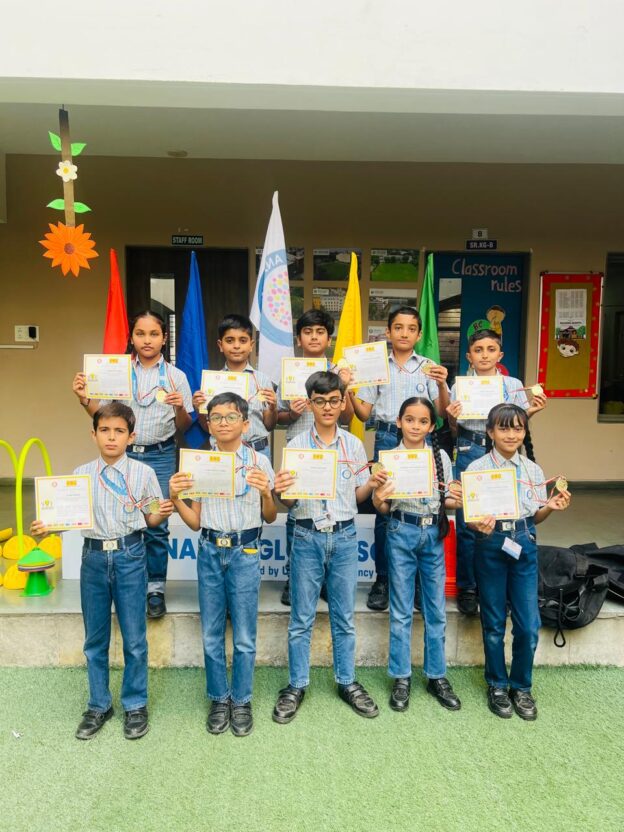
    Congratulations to Dev Mehta (Class 8A) of Ananda Global School for being awarded Best First-Time Delegate at Divyaa MUN 2026, held at Karnavati University from 2nd to 4th January 2026.

    His outstanding performance, confident diplomacy, and thoughtful participation reflect great promise and make the school proud. Wishing him many more achievements ahead!

    #AnandaGlobalSchool #StudentAchievement #BestDelegate #ProudMoment #YoungLeader #FutureLeader #SchoolPride #AcademicExcellence #DivyaaMUN2026

    Dhanasvi Thanki

    We are delighted to share that Dhanasvi Thanki (U-7 Girls) has secured 2nd Rank at the District Level, Ahmedabad, in the State Chess Championship.

    Her dedication, strategic thinking, and passion for the game truly make us proud. Congratulations to Dhanasvi for this remarkable achievement—we wish her many more victories ahead!

    #AnandaGlobalSchool #Udgamverse #StateChessChampion #AGSAhmedabad #LifeAtAnandaGlobal #CBSESchool

    What Makes a Preschool the Best Choice for Growing Minds

    Early childhood is a period of remarkable growth, where curiosity, emotion, and understanding develop at a pace unmatched in later years. The learning environment introduced during this stage shapes how children explore ideas, form relationships, and build confidence. For families seeking meaningful early education, identifying the Best Preschool In Ahmedabad often involves looking beyond appearances to understand how an environment nurtures thinking, creativity, and emotional security from the very beginning.

    Best Preschool In Ahmedabad

    A Learning Space Designed for Exploration

    Young children learn through movement, observation, and interaction. The most effective early learning environments are thoughtfully designed to encourage exploration rather than passive instruction.

    Open layouts, activity-based zones, and age-appropriate materials allow children to move freely between tasks. This freedom supports decision-making skills while maintaining a sense of structure that helps children feel secure.

    Emotional Safety as the Foundation of Learning

    A child’s willingness to engage depends heavily on emotional comfort. When children feel understood and supported, they are more likely to participate actively and express themselves without hesitation.

    Warm interactions, consistent routines, and attentive guidance create a sense of belonging. Emotional safety enables children to take small risks trying new activities, speaking up, or collaborating with peers which are essential for growth.

    Educators Who Understand Early Development

    The quality of early education is closely tied to the educators guiding it. Skilled early childhood facilitators understand developmental milestones and recognise that learning unfolds differently for every child.

    Rather than enforcing uniform outcomes, effective educators observe, adapt, and respond. Their role is to guide exploration, encourage communication, and gently support areas where a child may need additional reassurance or challenge.

    Learning Through Play and Purposeful Activity

    Play is not separate from learning; it is the medium through which young children understand the world. Purposeful activities transform play into a powerful developmental tool.

    Storytelling, role-play, art, music, and hands-on exploration build language, motor skills, and emotional awareness. These experiences lay the groundwork for later academic understanding without pressure or comparison.

    Encouraging Social Awareness and Interaction

    Early learning environments introduce children to group dynamics outside the home. Interaction with peers supports cooperation, empathy, and communication.

    Shared activities teach children how to listen, take turns, and resolve small disagreements. These social experiences help children understand perspectives beyond their own, strengthening emotional intelligence at an early age.

    Balanced Structure Without Rigidity

    Structure provides predictability, which is reassuring for young learners. Clear routines help children understand expectations and transitions throughout the day.

    At the same time, flexibility allows learning to unfold naturally. When activities adapt to children’s engagement levels, curiosity remains intact rather than constrained by strict schedules.

    Language Development and Expression

    Language skills develop rapidly during early childhood. Environments that prioritise conversation, storytelling, and expressive activities support strong communication foundations.

    Children learn new vocabulary, sentence structure, and listening skills through daily interaction. Encouraging expression builds confidence and supports cognitive development across all areas.

    Sensory Experiences That Support Cognitive Growth

    Sensory engagement plays a vital role in early learning. Touch, sound, movement, and visual exploration help children process information and build neural connections.

    Activities involving textures, rhythm, and movement support concentration and coordination while making learning enjoyable and memorable.

    Parental Partnership and Transparent Communication

    Effective early education extends beyond the classroom. Clear communication between educators and families ensures consistency and trust.
    Regular updates, shared observations, and open dialogue help families understand their child’s experiences and developmental progress. This partnership reinforces learning and emotional support across environments.

    Inclusivity and Respect for Individuality

    Every child brings a unique personality, background, and pace of development. Inclusive environments celebrate these differences rather than attempting to standardise outcomes.

    Respecting individuality encourages confidence and self-acceptance, helping children feel valued for who they are rather than how they compare to others.

    Preparing Children for the Next Learning Stage

    While early education is not about formal academics, it prepares children for future learning by developing focus, curiosity, and adaptability.

    Skills such as following instructions, engaging in group activities, and expressing needs support a smooth transition into structured education later on. In broader discussions around Pre School In Ahmedabad,Gujarat, this readiness is often seen as a key indicator of quality.

    The Role of Environment in Building Independence

    Well-designed early learning spaces encourage children to try tasks independently. Child-friendly furniture, accessible materials, and guided choice foster autonomy.

    Small achievements—putting away materials, choosing activities, completing simple tasks—build confidence and self-reliance naturally.

    Observing Progress Without Pressure

    Meaningful development is observed over time rather than measured against rigid benchmarks. Educators track progress through observation, noting social engagement, communication, and emotional growth.

    This approach reduces anxiety and supports learning as a positive experience rather than a competitive one.

    Health, Wellbeing, and Daily Care

    Attention to wellbeing underpins effective learning. Clean, safe environments, balanced routines, and adequate rest contribute to overall development.

    Physical comfort and emotional care ensure that children are ready to engage fully with daily activities.

    Building Curiosity That Lasts

    The goal of early education is not accelerated learning but sustained curiosity. When children associate learning with joy and discovery, they carry this mindset forward.

    This long-term perspective distinguishes environments that focus on growth rather than short-term outcomes.

    Community Reputation Built on Experience

    Reputation is shaped by lived experiences rather than claims. Families often rely on observed outcomes, word-of-mouth, and consistency when evaluating early learning options.

    Conversations around Pre-school in Ahmedabad frequently highlight how environments support confidence, communication, and emotional balance over time.

    Conclusion

    The best early learning environments recognise that growing minds need care, curiosity, and consistency in equal measure. By fostering emotional security, purposeful play, and respectful guidance, preschools create a foundation that supports lifelong learning. For families exploring Preschool in Jodhpur Ahmedabad, institutions that prioritise holistic development over comparison often stand out. Within this landscape, Ananda Global School reflects an approach centred on nurturing curiosity, confidence, and thoughtful growth during a child’s most formative years.